
Flowers
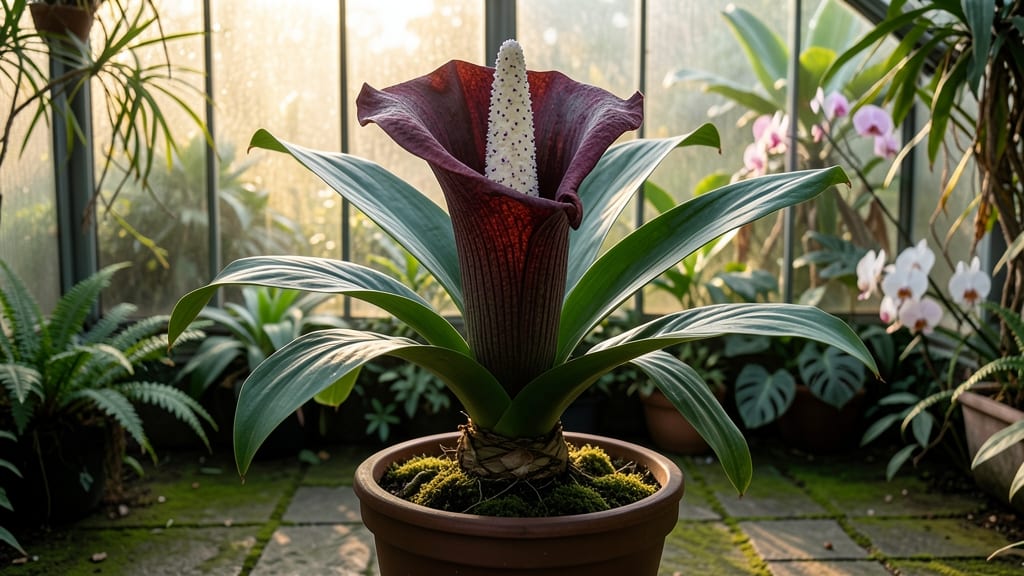
Corpse flowers bloom for just 24 to 72 hours—a fleeting, stinky spectacle that turns heads (and noses) worldwide.
Imagine a flower that smells like rotting flesh, blooms only at night, and lasts for just a few days—but its spectacle is unmatched in the plant world.
The corpse flower (Amorphophallus titanum) is one of nature’s most fascinating (and stinky) wonders, and its bloom duration is as brief as it is legendary.
This rare event is a high-stakes gamble for growers: missing it means waiting years for the next chance. The bloom itself is a whirlwind—starting with a rotten-meat odor to attract pollinators, then unfurling petals that can reach 3 feet wide before wilting just as quickly.
In this guide, I’ll break down exactly how long the bloom lasts, what triggers it, and how you can stack the odds in your favor for witnessing this once-in-a-lifetime display.
Corpse flower bloom duration: how long does the rare display last?
The corpse flower (Amorphophallus titanum) lives up to its name with a bloom that’s as dramatic as it is fleeting. Unlike most flowers that linger for weeks, this rare specimen unfurls for just 24 to 72 hours—making timing everything.
Its brief appearance is one of the reasons why witnessing it in person feels like catching a glimpse of a living legend. The bloom typically occurs at night, releasing a pungent, rotting-meat scent to attract pollinators like carrion flies, which is why it’s often called the "cadaver plant."
What makes the corpse flower’s bloom even more unpredictable is its age-dependent schedule. Most plants don’t flower until they’re at least 5 to 10 years old, and even then, blooming isn’t guaranteed every year.
The first bloom often signals the start of a cycle that may repeat every 7 to 10 years, depending on the plant’s health and growing conditions. This uncertainty is part of the thrill—you never know when your corpse flower will put on its spectacular, stinky show.
To maximize your chances of seeing this rare event, you’ll need to track the plant’s pre-bloom signs. Weeks before the flower unfurls, the spathe (the leaf-like structure) will swell rapidly, sometimes growing 3 to 5 inches per day.
The temperature inside the spathe can rise to 80°F to 90°F, creating a warm, humid environment that mimics a rotting carcass. Once the spathe splits open, the spadix (the central flower structure) emerges, and the real spectacle begins—but it won’t last long.
The actual bloom duration is deceptively short: the corpse flower reaches its peak for only 24 to 48 hours, with some exceptional cases stretching to 72 hours.
During this time, the flower emits its signature fermented, meaty odor, which can linger in the air for days, even after the bloom has faded. The scent is so potent that it’s often compared to a mix of rotting onions, gym socks, and decaying flesh.
While the smell might not be for everyone, the visual spectacle of the 3-foot-tall, maroon-and-white flower is undeniably stunning.
| Stage | Duration | Key Features |
|---|---|---|
| Pre-Bloom Swelling | Weeks | Spathe grows rapidly; temp rises to 80-90°F |
| Initial Unfurling | 12-24 hours | Spathe splits open; spadix emerges |
| Full Bloom | 24-72 hours | Strong rotten odor; peak visual display |
| Post-Bloom | Days to Weeks | Flower wilts; fruit develops (orange berries) |
| Dormancy | Months to Years | Plant rests; no growth until next cycle |
🌱 Note: Bloom timing varies by plant age and health.
Once the corpse flower’s bloom reaches its peak, the clock starts ticking down. The flower will begin to wilt within 24 hours, and the spathe will close up, marking the end of the display.
But don’t be disheartened—this isn’t the end of the story. After the bloom, the corpse flower enters its fruit development phase, producing a cluster of orange berries that contain thousands of seeds.
These berries take several months to mature, and if you’re lucky, you might even get a chance to propagate your own corpse flower from seed—though it’s a 10-year wait before you see another bloom.
The corpse flower’s short bloom duration is a result of its energy conservation strategy. Producing such a large, showy flower requires an enormous amount of energy, and the plant prioritizes this effort over prolonged display.
Once the pollinators have done their job, the flower’s mission is complete, and it quickly moves on to the next phase of its lifecycle. This efficiency is why corpse flowers bloom so infrequently—each event is a massive energy investment that the plant can’t afford to repeat often.
If you’re growing a corpse flower at home or visiting one in a botanical garden, timing is critical. Most blooms occur in the spring or early summer, but they can happen at any time of year, especially in USDA Zone 6a or warmer climates.
To stay in the loop, monitor your plant for signs of swelling or heat buildup in the spathe. Some growers even use infrared thermometers to track the internal temperature, which can spike before the bloom. Once you notice these signs, be prepared—your corpse flower’s grand performance could start within days.
For those who miss the bloom or want to experience it firsthand, botanical gardens like the New York Botanical Garden or the Fairchild Tropical Botanic Garden often host corpse flower displays when they’re in season. These events draw crowds of enthusiasts eager to witness the rare spectacle.
If you’re planning a visit, check the garden’s social media or website for bloom announcements, as they usually provide 24-48 hours’ notice before the flower unfurls. Pro tip: Bring a face mask or strong air freshener—the scent is an acquired taste!
Even though the corpse flower’s bloom is brief, the experience of witnessing it
Why corpse flowers bloom for only 24-72 hours (and what happens next)
The corpse flower's 24-72 hour bloom isn't random—it's a carefully evolved survival strategy. This rare flowering event occurs only once every 7-10 years for mature plants, making each bloom a precious biological investment.
The plant expends years storing energy in its massive underground corm to fuel this spectacular but fleeting display.
Evolutionarily, the corpse flower's short bloom serves two critical purposes: attracting pollinators and conserving energy. The rotten meat odor (produced by volatile compounds like dimethyl disulfide) lures carrion flies and beetles during its nighttime bloom, when competition from other flowers is minimal.
This targeted approach maximizes pollination efficiency while minimizing wasted resources.
What happens after the bloom is just as remarkable as the event itself. Within 2-3 days of wilting, the flower's spathe (the colorful petal-like structure) begins transforming into a cluster of orange berries.
These berries contain thousands of seeds that require animal digestion for germination—a clever adaptation to disperse seeds away from the parent plant.
The corpse flower's life cycle demonstrates nature's efficiency. By concentrating all reproductive efforts into this brief but intense window, the plant maximizes its chances of successful pollination and seed dispersal.
This strategy explains why you'll rarely see multiple blooms from the same plant in a lifetime—each bloom represents a decades-long investment of energy and resources.
For growers, understanding this cycle means patience is key. While you can't control when a corpse flower blooms, providing optimal growing conditions—like rich, well-draining soil and partial shade—helps ensure the plant has the energy reserves needed for its next spectacular (but fleeting) display.
The next time you visit a botanical garden and catch a whiff of that unmistakable aroma, remember: you're witnessing a rare biological masterpiece that lasts only a few days but represents years of preparation.