
Blooming
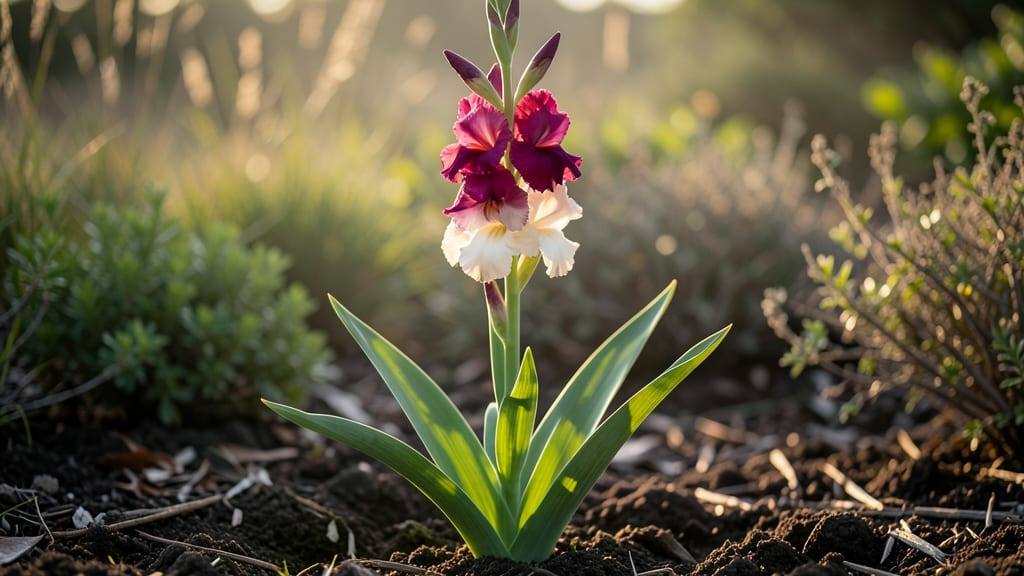
Timing your gladiolus flowering for summer and fall displays is all about planting right—because those bold, spiked blooms won’t wait forever.
Want to enjoy vibrant gladiolus blooms at the perfect time? Timing your planting based on your hardiness zone and desired bloom season is the secret to stunning summer and fall displays—without the guesswork.
In zone 6a, like many gardeners, planting in April or May after the last frost ensures blooms arrive by mid-summer, while a late-June planting might push flowers into early fall. But climate, variety, and even soil prep can shift that window by weeks.
Below, I break down the exact planting months for your zone, how to adjust for early or late blooms, and the 3 simple tricks to guarantee your gladiolus 🌸 put on their best show.
Gladiolus flowering time by planting month: exact timelines for summer & fall blooms
Timing your gladiolus planting is the key to unlocking summer and fall blooms that steal the show. These dramatic sword-shaped flowers thrive when planted at precise intervals, with their blooming window stretching from June through October depending on your USDA zone and planting strategy.
For peak summer blooms (June-August), you'll want to start planting as early as March in warm zones or wait until May in cooler regions. Let's break down the exact monthly planting schedule to ensure your gladiolus deliver on their promise of bold, vibrant color.
Gladiolus are heat-loving plants, but they also need time to establish roots before summer's intensity hits. In USDA zones 8-10, you can plant as early as February-March for summer blooms, while gardeners in zones 3-6 should wait until late April or May to avoid frost damage.
The secret lies in soil temperature—gladiolus corms need the ground to reach at least 60°F (15°C) before planting. Let's explore the exact planting windows for each zone to guarantee your gladiolus bloom when you want them.
Comparison Table: Gladiolus Planting by Month for Summer & Fall Blooms
| Zone | Summer Blooms (June-Aug) | Fall Blooms (Sept-Oct) | Heat Tolerance | Key Tip |
|---|---|---|---|---|
| 3-4 | Late May - Early June | Early July - Mid-Aug | Moderate (needs afternoon shade in heatwaves) | Use black plastic mulch to warm soil faster |
| 5-6 | Early May - Late May | Mid-June - Early July | Good (avoid planting before last frost) | Choose early-blooming varieties like 'Green Star' |
| 7-8 | March - Early April | May - Early June | High (thrive in summer heat) | Plant in raised beds for better drainage |
| 9-10 | February - March | April - May | Very High (may need afternoon shade) | Succession plant every 2 weeks for continuous blooms |
For summer blooms, the goal is to have your gladiolus corms establish roots before the peak heat arrives. In zones 3-4, planting in late May ensures blooms appear in mid-to-late July, just as your garden needs that splash of color.
Meanwhile, gardeners in zones 9-10 can enjoy June blooms by planting as early as February, taking advantage of their longer growing season.
The key is to plant when your soil temperature consistently stays above 60°F (15°C)—this is your cue that the corms are safe from frost and ready to grow.
If you're aiming for fall blooms (September-October), the strategy shifts slightly. Planting 2-3 weeks earlier than your summer schedule creates a delayed bloom time perfect for autumn gardens.
For example, in zone 6, planting in mid-June instead of late May will push your blooms into early October, just as other summer flowers fade. This timing also helps avoid the late-summer heat stress that can reduce bloom quality.
For zones 8-10, a May planting delivers stunning fall color when other plants are winding down.
One common mistake is planting gladiolus too early in cooler zones, which can lead to frost damage or stunted growth. Always check your last frost date and add 4-6 weeks before planting to ensure the corms have time to root.
For instance, if your last frost is April 15, wait until May 15 to plant for summer blooms. In warmer climates, you can plant as early as February, but be prepared to provide afternoon shade during extreme heat to prevent bud drop.
For gardeners in USDA zones 3-5, extending the blooming season is easier with black plastic mulch. This simple trick warms the soil 5-10°F
How climate zones affect gladiolus blooming: zone-specific flowering windows
Your USDA hardiness zone plays a crucial role in determining when your gladiolus will bloom. In colder northern zones like 3-5, you’ll need to time planting carefully to avoid late spring frosts, while southern zones like 8-10 can enjoy extended bloom seasons with fewer frost risks.
Understanding these zone-specific windows ensures you’ll have vibrant blooms from mid-summer through fall.
Gladiolus thrive in full sun and warm soil, but their blooming timeline shifts dramatically depending on where you live. In Zone 3, for example, planting in late May yields July-August blooms, while Zone 10 gardeners can plant as early as February for May-June flowers.
The key is aligning your planting date with your last frost date and desired bloom season.
In northern zones (3-5), the short growing season means you’ll need to focus on late-summer blooms. Planting gladiolus corms in late May ensures they establish roots before summer heat sets in, but always monitor frost forecasts—even a light frost can damage emerging shoots.
For Zone 6-7, you have more flexibility, with June-September blooms possible if planted in April-May.
Southern gardeners in Zones 8-10 can enjoy earlier blooms, often as early as April, by planting in winter or early spring. However, heat tolerance becomes a factor—gladiolus may bolt or wilt in temperatures above 90°F (32°C).
Use shade cloth during peak afternoons to protect blooms and extend their lifespan. In Zone 10, you can even plant year-round for staggered blooms!
For extended bloom seasons, try successive planting: plant a new batch every 2-3 weeks in Zones 6-9. This creates a continuous display from June through October.
Just remember to dig up and store corms before first frost in colder zones. In Zones 8-10, leave corms in the ground—they’ll overwinter with minimal care.
Pro tip: Use heat-tolerant varieties like 'Red Shades' or 'White Prosperity' for hotter climates, while 'Green Star' or 'Picasso' thrive in cooler northern gardens. Matching your gladiolus variety to your climate zone is half the battle for perfect timing!