
Blooming
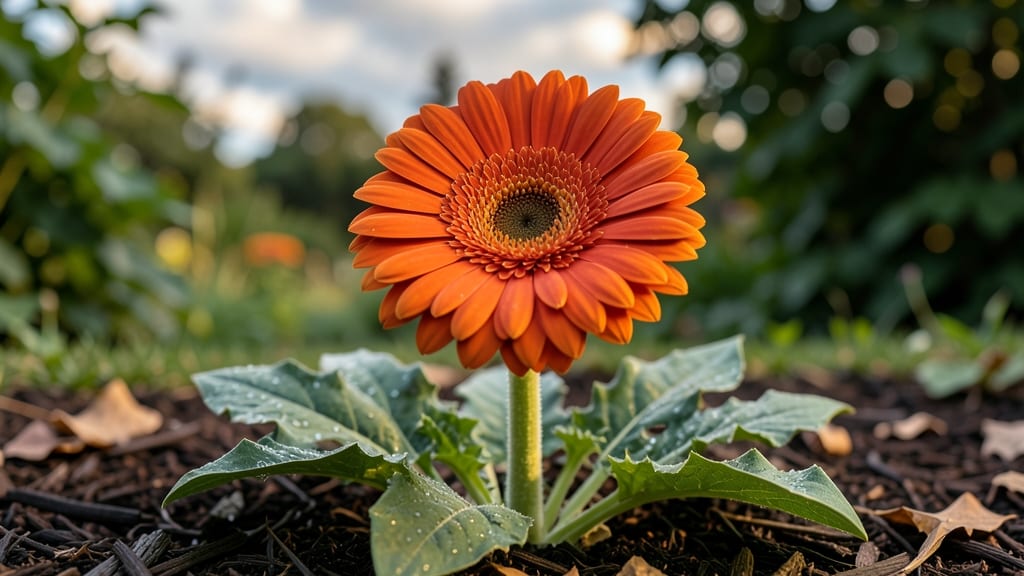
Gerbera daisies reach their peak flowering time in late spring through fall when they soak up 6-10 hours of sunlight daily—but even the brightest gardeners miss the subtle clues that trigger their vibrant 🌼 displays.
Picture this: You’ve watered, fertilized, and deadheaded with care, yet your gerberas still refuse to burst into color. The culprit? Sunlight isn’t just about hours—it’s about intensity, timing, and even the angle of those rays.
Without the right balance, blooms stay stubbornly closed, leaving you wondering why your hard work isn’t paying off.
Here’s the good news: With a few simple adjustments—like rotating pots for even light exposure or tweaking your planting schedule—you can coax months-long blooms from your gerberas.
Whether you’re in USDA Zone 6a or a warmer climate, understanding the seasonal sunlight shifts is the key to turning your garden into a nonstop parade of color.
Below, I’ll break down exactly how sunlight triggers blooms, the month-by-month schedule for year-round flowers, and the easy fixes that keep your gerberas blooming until frost. Let’s get those 🌼 buds popping!
How many sunlight hours do gerberas need to bloom?
If you're growing gerbera daisies, sunlight isn't just important—it's the critical trigger for those vibrant blooms you love. These cheerful flowers demand 6 to 10 hours of direct sunlight daily to thrive and produce abundant flowers.
Without enough light, your gerberas may grow leggy leaves but skip the blooms entirely. The good news? With the right sunlight strategy, you can coax your gerberas into continuous flowering from spring through fall.
Gerberas are sun-worshippers, but they also need balance. Too much scorching afternoon sun can stress the plants, while too little light leads to weak stems and sparse flowers. The ideal scenario? Morning sun with afternoon shade in hot climates.
This protects their delicate petals while still providing the photosynthesis power they need to bloom prolifically. Think of it like giving your gerberas a goldilocks zone of light—just right, not too much, not too little.
Here's the science-backed breakdown: gerberas convert sunlight into energy through photosynthesis, which fuels their flowering cycles. When they receive 6+ hours of direct light daily, they produce more florigen hormones—the chemical signals that trigger bud formation.
Drop below 4 hours of sun, and you'll see fewer, if any, blooms. This is why container gerberas often need extra care—they can outgrow their pots quickly when deprived of light.
| Light Requirement | Daily Sun Hours | Flowering Impact | Seasonal Adjustments |
|---|---|---|---|
| Full Sun | 6-10 hours | Abundant, vibrant blooms | Morning sun + afternoon shade in summer |
| Partial Sun | 4-6 hours | Sparse blooms, leggy growth | Use reflective surfaces near plants |
| Low Light | <4 hours | No blooms, weak stems | Add grow lights (12+ hours/day) |
| Intense Heat | 10+ hours (direct) | Sunburn risk, wilting | Provide afternoon shade cloth |
Seasonal variations play a huge role in gerbera flowering. During spring and fall, when days are 10-12 hours long, your gerberas will naturally produce more blooms with 6 hours of direct sun.
But in summer's long days, you might need to limit afternoon sun exposure to prevent heat stress. I've found that dappled shade from nearby trees or a lightweight shade cloth (30-50% coverage) works wonders in keeping gerberas blooming through the hottest months.
The light intensity matters just as much as duration. Gerberas thrive under bright, direct sunlight, not filtered light. If you're growing them in containers on a patio, rotate the pots weekly so all sides get equal exposure.
This prevents uneven growth and ensures your gerberas develop strong stems that support those heavy flower heads. I once had a gerbera in a north-facing window that produced almost no blooms—until I moved it to a south-facing spot with a reflective surface nearby to bounce extra light.
For year-round blooming, consider supplementing natural light with grow lights during winter's short days. A full-spectrum LED grow light placed 6-12 inches above the plants for 12-14 hours daily can maintain their flowering cycle.
This is especially helpful in USDA Zones 3-5, where winter days often drop below the 6-hour sunlight threshold. I've used this technique to keep my container gerberas flowering through December and January—just don't forget to remove the lights in spring to avoid shocking the plants.
Watch for light deprivation signs like stretched stems and small, pale leaves. These are your gerberas' way of saying, "I need more light!" When I see this, I immediately move the plants to a sunnier location or add supplemental lighting.
The key is acting quickly—gerberas can recover from light stress, but prolonged deprivation leads to permanent stunting and reduced flowering potential for the season.
Pro tip: Deadhead spent blooms regularly to encourage new flower production. When combined with proper sunlight, this simple task can double your gerbera's blooming season. I've had gerberas in my garden beds flowering continuously from June through October by following this routine.
The secret? Consistent sunlight (6-8 hours daily) plus weekly deadheading creates a feedback loop that keeps your gerberas producing new buds.
Remember, gerberas are not drought-tolerant, so always pair their sunlight needs with consistent watering. Water deeply in the morning
Signs your gerbera isn’t getting enough sunlight (and how to fix it)
If your gerbera daisies look more like sad green stems than vibrant blooms, sunlight deprivation might be the culprit. These cheerful flowers need 6-10 hours of direct sun daily to trigger their flowering mechanisms.
Without enough light, they’ll stretch toward any available rays—a classic sign called etiolation. I’ve seen this happen even in sunny climates when plants get shaded by overgrown neighbors or poor placement.
Another dead giveaway is sparse or small blooms. When gerberas don’t get sufficient sunlight, they’ll produce fewer flowers, and the ones that do appear will be pale and underdeveloped.
Even if you’re providing water and fertilizer, without proper light exposure, your gerberas will struggle to photosynthesize enough energy to support robust blooming. This is especially true for container gerberas, which can dry out faster and need even more light.
⚠️ callout warning
Gerberas need 6-10 hours of direct sun daily to enter their 90-120 day flowering window. Without this light, blooms may never appear—or will be tiny and weak. In temperate zones (USDA 6a-9b), this means June-October blooming is at risk if light is insufficient.
Fix it fast: Move plants to south-facing spots or use grow lights (12-14 hrs/day) in winter. Prune leggy stems to encourage bushier growth and redirect energy to blooms.
One of the first visual clues is long, spindly stems with leaves spaced far apart. Healthy gerberas grow compact and bushy, but when they’re light-starved, they’ll stretch dramatically toward any light source. This isn’t just unsightly—it weakens the plant’s structure and reduces its ability to support heavy flower heads.
I once had a gerbera in my office that grew 18 inches tall with stems as thin as pencils because it was only getting 2 hours of indirect light.
To fix this, start by relocating your gerberas to the sunniest spot in your garden or patio. If you’re growing them in containers, place them on a south-facing windowsill or use a reflective surface like a white wall to bounce extra light onto the plants.
For indoor gerberas, consider adding a grow light—even a simple LED bulb on a timer can make a huge difference during winter months when daylight is scarce.
Another helpful trick is pruning leggy stems back by about one-third to encourage bushier growth. This might seem counterintuitive, but it forces the plant to redirect its energy toward producing shorter, sturdier stems with more blooms.
Just be sure to prune in the morning so the cuts have time to heal before evening. After pruning, give your gerberas a balanced fertilizer (5-10-10) to support new growth and flowering.
Finally, pay attention to the color of your gerbera blooms. Healthy, sun-loving gerberas produce vibrant petals in their true colors, whether that’s red, orange, yellow, or pink. If your flowers look washed out or greenish, it’s another sign they’re not getting enough light.
In these cases, supplementing with a grow light for 4-6 hours in the evening can help bridge the gap until you can move them to a sunnier location permanently.