
Shrubs
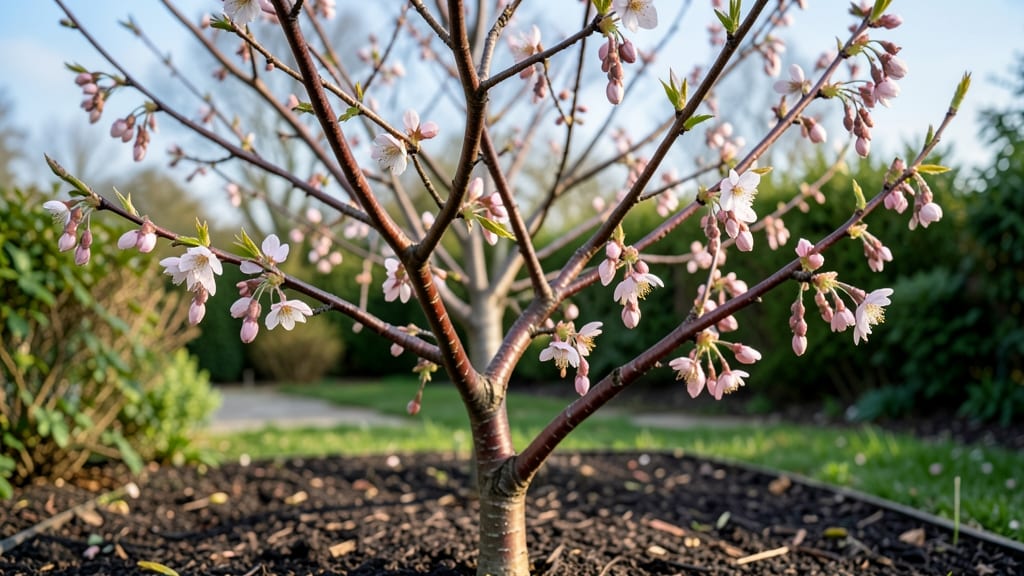
Understanding the flowering almond size you’re bringing into your garden makes all the difference between a stunning focal point and a space hog.
Picture this: You’ve just planted your 🌸 flowering almond—maybe a 'Pink Perfection' or a 'Royal Velvet'—only to realize in five years it’s towering over your patio or crowding out your prized roses.
Most gardeners underestimate how quickly these shrubs grow, especially in USDA Zone 6a, where they thrive.
From compact varieties that stay under 10 feet to standard types reaching 25 feet, the size of your flowering almond isn’t just about the variety—it’s also about pruning, soil, and even how much sun it gets.
I’ll break down the key factors so you can plan your garden layout with confidence.
You’ll learn which varieties fit small yards, how often to prune for optimal blooms, and why some flowering almonds grow twice as fast as others. No more guesswork—just a clear plan to keep your 🌸 flowering almond looking its best year after year.

Flowering almond tree size by variety: mature heights and spreads
Choosing the right flowering almond variety depends on your space and vision. These stunning ornamental trees vary dramatically in size—from compact shrubs to towering specimens. Understanding their mature dimensions helps you plan spacing, pruning, and long-term care. I’ve grown several varieties myself, and the differences in growth habits are eye-opening!
Most flowering almonds reach maturity between 10-25 feet tall, but some dwarf varieties stay under 8 feet. The spread can range from 6-15 feet wide, depending on pruning and variety.
For example, 'Springtime' stays compact, while 'Royal Velvet' grows like a small tree. Let’s break down the specifics for popular choices.
Why size matters: Larger varieties need more space to avoid overcrowding, while dwarf types fit patios or small yards. Pruning frequency also shifts—taller trees need annual structural pruning, while dwarfs may only need light shaping every 2-3 years. Here’s what to expect from each variety.
| Variety | Mature Height (ft) | Mature Spread (ft) | Growth Habit | Pruning Needs |
|---|---|---|---|---|
| 'Pink Perfection' | 12-15 ft | 8-10 ft | Upright | Annual shaping |
| 'Royal Velvet' | 15-20 ft | 10-12 ft | Tree-like | Structural pruning yearly |
| 'Springtime' | 6-8 ft | 6-8 ft | Bushy | Light pruning every 2-3 years |
| 'White Cloud' | 10-12 ft | 8-10 ft | Multi-stemmed | Minimal pruning |
| 'Mount Fuji' | 8-10 ft | 6-8 ft | Compact | Occasional trimming |
| 'Royal Velours' | 12-15 ft | 10-12 ft | Vigorous | Annual pruning |
| 'Pink Cascade' | 6-8 ft | 5-7 ft | Weeping | Light shaping |
The 'Springtime' and 'Pink Cascade' varieties are my top picks for small gardens—they stay under 8 feet tall and spread just 6-8 feet wide. These dwarf types thrive in containers too, making them perfect for patios or balconies.
I’ve seen them bloom prolifically even in 5-gallon pots with proper drainage.
For larger landscapes, 'Royal Velvet' and 'Royal Velours' create stunning focal points. Their 15-20 foot heights require more space but reward you with dramatic spring blooms. Prune these varieties in late winter to remove dead wood and shape the canopy before new growth begins.
If you’re unsure about pruning, start with light shaping in early spring. Remove only 10-15% of the foliage at a time to avoid stressing the tree. For standard-sized varieties, aim for annual pruning to maintain their form, while dwarf types may only need occasional trimming to encourage bushiness.
One common mistake I see is planting taller varieties too close to structures. Always leave at least <
How flowering almond tree size affects your pruning strategy
Your flowering almond tree size determines everything from pruning frequency to the tools you'll need. A 15-foot standard variety requires completely different care than a 6-foot dwarf planted in containers. I've pruned both types and learned that ignoring size leads to overgrown branches, reduced blooms, or even structural damage.
Standard flowering almonds can reach 20-25 feet with a 15-foot spread, while dwarf varieties stay under 10 feet tall. The key difference? Dwarf trees need light pruning yearly to maintain shape, while large trees may require heavy structural pruning every 2-3 years to prevent weak limbs.
Let's break down the exact approach for each size category.
Never prune a flowering almond during active bloom (March-April). Removing branches at this time reduces next year's flower buds by up to 40%. Instead, prune in late winter (February) before buds swell but after frost danger passes.
For large trees, hire a professional if branches exceed 3 inches in diameter—improper cuts can cause disease entry points.
For small varieties (under 10 feet), focus on shaping cuts to encourage bushier growth. Use hand pruners for branches under ½ inch thick and make cuts just above outward-facing buds.
I prune my 3-foot 'Springtime' variety annually in February, removing only 10-15% of growth to maintain its compact form while ensuring maximum spring blooms.
Large flowering almonds need three-pronged pruning: structural, thinning, and rejuvenation. Start with structural pruning in late winter to remove dead or crossing branches. Then thin out 20-30% of dense growth to improve air circulation.
For rejuvenation, cut back older wood by ⅓ of its length every 3-4 years to stimulate new growth. Always sterilize tools between cuts to prevent bacterial canker.
Seasonal timing matters just as much as size. Prune dwarf varieties in early spring (just before buds break) to shape them for the growing season.
For standard trees, divide pruning into two sessions: light pruning in late winter (to remove dead wood) and heavy structural work in early summer (after flowering). This two-step approach prevents overstressing the tree while still controlling height.
Pro tip: Use branch spread measurements as your guide. If your tree's spread exceeds its height by 50% or more, it's time for thinning pruning to restore balance.
For example, my 18-foot 'Royal Velvet' needed selective limb removal last year to reduce its 22-foot spread—now it blooms more evenly and supports its own weight better.
Remember, pruning affects next year's blooms. Always leave at least ⅓ of last year's growth to ensure flower bud formation. For container-grown dwarfs, prune after flowering to redirect energy into root growth before winter dormancy.
With the right approach, you'll get healthier trees and more spectacular spring displays—no matter the size. ✂️🌸