
Blooming
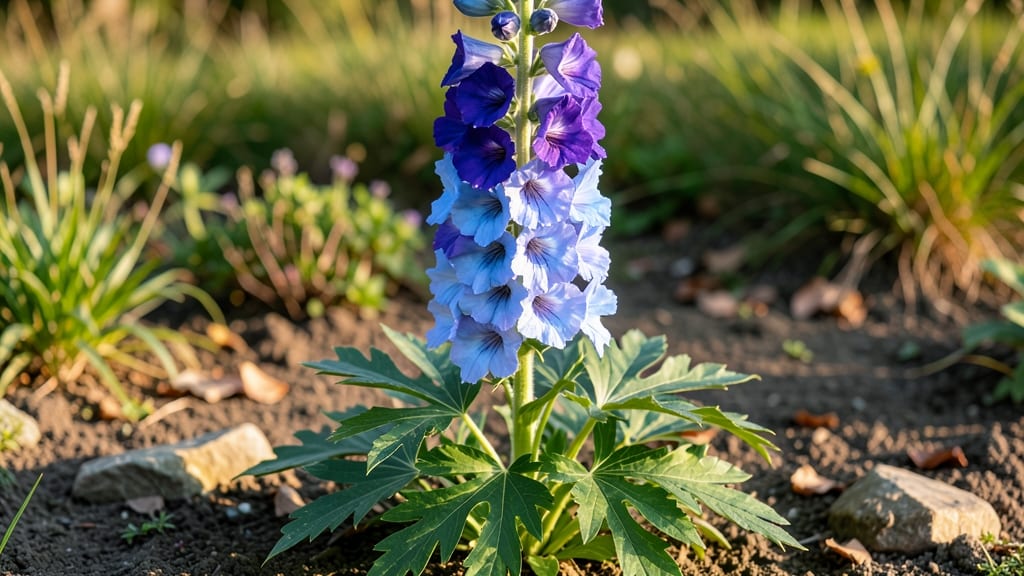
Delphinium flowers bloom in mid-to-late summer 🌸, but the exact timing depends on your USDA zone and the variety you’re growing.
If you’ve ever planted delphiniums hoping for a stunning summer display, only to be disappointed by sparse blooms, timing is the key—especially when USDA zones and varieties play a role.
In cooler climates like Zone 6a, blooms often arrive as early as June, while warmer regions may see them stretching into August. The right care—like deadheading spent flowers—can even push that window a little longer.
Below, I break down the best bloom windows by zone, the top varieties for extended color, and simple tricks to keep your delphiniums flowering all season.
Delphinium bloom time by USDA Zone: when to expect peak flowers
Timing is everything when growing delphiniums, and your USDA zone determines when these stunning tall flowers will burst into color. In cooler zones like 3-5, expect blooms as early as late June, while warmer zones 7-9 may see flowers stretching into September.
The key lies in understanding how climate variations affect bloom windows and selecting the right delphinium varieties for your region.
Delphiniums thrive in cool summers and long daylight, which explains why northern gardeners often get earlier blooms than southern ones. For example, 'Pacific Giant' typically blooms 2-3 weeks earlier in Zone 4 than in Zone 8.
Meanwhile, heat-sensitive varieties like 'Black Night' may struggle in Zone 9 without afternoon shade. Let’s break down the bloom times by zone to help you plan your garden for maximum impact.
🌸
In USDA Zones 3-4, where summers are short and cool, delphiniums often bloom earlier and more prolifically than in warmer zones. The short growing season forces them to flower quickly, so planting early-blooming varieties like 'Blue Lake' ensures you don’t miss the show.
These zones also benefit from cool nights, which help maintain bloom quality. If you’re in Zone 3, consider starting seeds indoors in March to give plants a head start.
Gardeners in Zones 5-6 enjoy a balanced bloom window, typically from early July to late August. This is ideal for cut flower gardens since you’ll have a steady supply of blooms. To extend the season, plant a mix of early and late varieties.
For example, pair 'Pacific Giant' (early) with 'Elfin' (late) to create a continuous display. In these zones, afternoon shade can prevent heat stress and prolong flowering.
Warmer Zones 7-8 shift the bloom time slightly later, often starting in mid-July and peaking in August. The longer daylight hours help, but high temperatures can cause buds to drop if not managed.
Here, dwarf varieties like 'Blue Bird' thrive better than tall types, as they’re less prone to flopping in heat. Mulching with straw or wood chips keeps roots cool and retains moisture, which is critical for consistent blooming.
For Zone 9 gardeners, the challenge is heat tolerance. Delphiniums here may bloom as late as September, but afternoon shade is non-negotiable. Choose heat-resistant varieties like 'Blue Lagoon', which handles warmer climates better than traditional types.
Planting near deciduous trees or using shade cloth can make a huge difference. In these zones, succession planting every 4-6 weeks ensures a steady supply of blooms.
Regardless of your zone, deadheading spent blooms is a must to encourage reblooming. In cooler zones, this can extend the season by 2-3 weeks, while in warmer zones, it helps prevent bud drop from heat.
Pair this with regular watering (deep soaks every 3-5 days) and balanced fertilization
Top 5 delphinium varieties ranked by bloom duration and season
If you love delphiniums for their dramatic spikes of color, you’ll want to choose varieties that bloom longer and align with your growing season. Not all delphiniums perform equally—some shine in early summer, while others stretch into fall.
Here’s my ranking of the top 5 based on bloom duration and seasonal timing.
Delphiniums like 'Pacific Giant' and 'Blue Lake' are crowd-pleasers, but their bloom windows vary. For example, 'Pacific Giant' often blooms 2-3 weeks earlier than 'Blue Lake', making it ideal for cooler climates. Meanwhile, 'Black Night' offers a striking dark hue but may bloom slightly later in the season.
For longest blooms, 'Pacific Giant' and 'Blue Lake' are my top picks. They thrive in USDA zones 3-8 and often rebloom if you deadhead spent flowers consistently. I’ve seen 'Blue Lake' extend its display into early fall with proper care.
If you’re in a warmer climate (zones 8-9), opt for 'Black Night' or 'Belladonna'—they handle heat better and bloom later. However, their shorter duration means you’ll need to plant multiple varieties for continuous color.
To extend bloom time, I recommend these tricks: stake tall varieties early to prevent wind damage, fertilize lightly with high-phosphorus formula in early summer, and mulch to retain moisture. Cutting back 1/3 of the foliage after the first flush often triggers a second bloom cycle.
Pro tip: Pair early bloomers like 'Elfin Skies' with late-season varieties. This creates a sequential bloom effect, ensuring your garden stays vibrant from June through September. Just remember—delphiniums need full sun and well-drained soil to perform at their best!