
Blooming
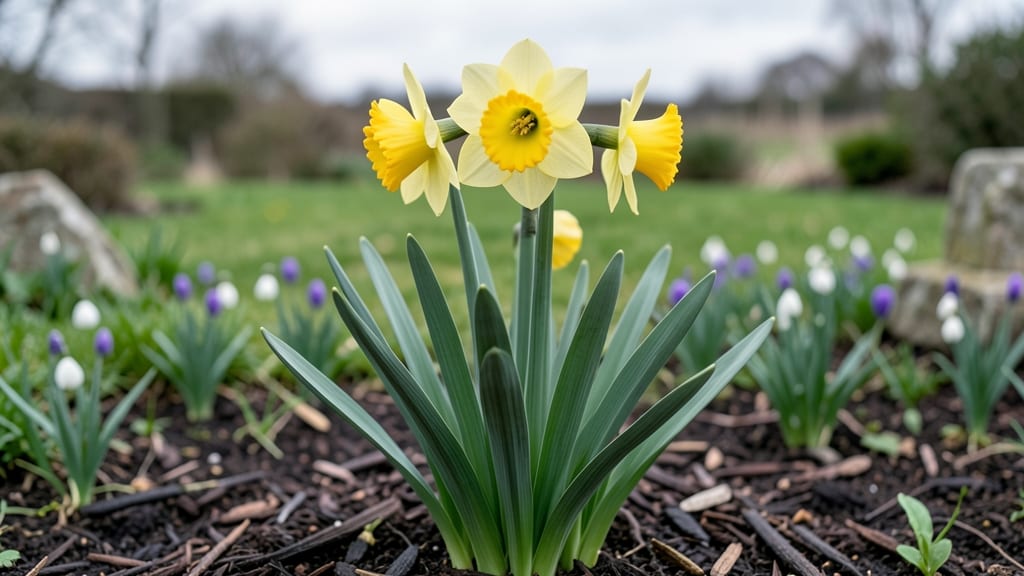
The daffodil flowering time you can expect depends entirely on your climate zone and the varieties you plant 🌼 — but with the right knowledge, you’ll know exactly when to spot those bright blooms.
Picture this: You’re sipping your morning coffee in early March, and suddenly, your yard erupts in golden trumpets. That’s the magic of daffodils, nature’s first spring cheerleader. But in warmer zones, they might already be blooming by February, while colder regions wait until April or May.
The difference isn’t just about luck—it’s about understanding how chilling hours and sunlight shape their schedule.
Whether you’re in a mild Zone 7 or a frosty Zone 4, this guide breaks down the exact months to expect blooms, how to pick varieties for a longer season, and simple tweaks to coax your daffodils into flowering right on time.
No more guessing—just vibrant, predictable color when you want it most.
You’ll also discover how planting depth, sunlight, and even last fall’s soil prep can shift your bloom window by weeks. By the end, you’ll have a foolproof plan to turn your garden into a month-long daffodil parade, starting the moment the snow melts.
Daffodil flowering time by USDA climate zones: exact months to expect blooms
Daffodils are nature's springtime messengers, but their bloom schedule depends entirely on your USDA hardiness zone. In colder zones like 3-5, expect early blooms as soon as March, while warmer zones like 8-10 may see flowers as late as May.
This variation happens because daffodils need chilling periods—typically 12-16 weeks below 40°F—to trigger flowering.
The key to planning your garden lies in understanding how zone-specific chilling requirements and local microclimates affect bloom timing. For example, a Zone 4 garden might see 'Ice Follies' bloom in early April, while the same variety in Zone 8 could wait until mid-May.
Let's break down the exact months to expect blooms in each zone, including early, mid, and late-season varieties.
Pro Tip: Plant early-blooming varieties in cooler zones and late-season types in warmer areas to extend your daffodil season by 4-6 weeks. This simple strategy creates a continuous display from March through May.
| USDA Zone | Early Varieties | Mid-Season Varieties | Late Varieties | Total Bloom Window | Chilling Needs |
|---|---|---|---|---|---|
| 3-4 | Late March 'Tête-à-Tête' |
Early April 'Dutch Master' |
Mid-April 'Mount Hood' |
March 20 - April 30 | 16+ weeks below 40°F |
| 5-6 | Early April 'Carlton' |
Mid-April 'February Gold' |
Late April 'Salome' |
April 1 - May 15 | 14-16 weeks below 40°F |
| 7-8 | Mid-April 'February Gold' |
Late April 'Tête-à-Tête' |
Early May 'Mount Hood' |
April 15 - May 30 | 12-14 weeks below 40°F |
| 9-10 | Late April 'February Gold' |
Early May 'Dutch Master' |
Mid-May 'Salome' |
April 25 - June 1 | 8-12 weeks below 40°F |
Note: Varieties like 'Ice Follies' (white) and 'Minnow' (yellow) often bloom earliest, while 'Salome' (orange) and 'Mount Hood' (white) tend to be late bloomers.
Notice how the bloom window shifts later by about 2-4 weeks with each warmer zone? This happens because daffodils in warmer climates often need less chilling time to trigger flowering. For example, 'February Gold'—a mid-season variety—blooms in April in Zone 5 but waits until May in Zone 9.
If you're in Zone 8 or warmer, consider planting paperwhite daffodils (Narcissus papyraceus), which bloom in winter and don't require chilling. These varieties will flower in December-January, giving you a head start on spring color.
Just remember, they're not as hardy as traditional daffodils and may need container growing in colder snaps.
For gardeners in Zones 3-5, focus on early-blooming varieties like 'Carlton' or 'Tête-à-Tête' to brighten your garden as soon as snow melts. These varieties thrive in cooler climates and often rebloom if you deadhead spent flowers and provide consistent moisture during their active growth phase.
One common mistake is assuming all daffodils bloom at the same time. In reality, mixing early, mid, and late varieties can extend your bloom season by up to 6 weeks.
For instance, planting 'Ice Follies' (early), 'February Gold' (mid), and 'Salome' (late) together ensures continuous color from March through May, even in the same zone.
Soil temperature also plays a hidden role in bloom timing. Daffodils typically start growing when soil temperatures reach 50°F. In warmer zones, this might happen in February, while cooler zones may not see active growth until April.
To encourage earlier blooms, plant bulbs in well-draining soil with a 3-inch layer of compost—this helps regulate soil temperature and provides nutrients for strong root development.
Finally, don't overlook microclimates in your area. A south-facing slope or sunny patio can create a warmer microclimate that triggers earlier blooms, even in cooler zones
How to adjust daffodil planting time for perfect spring blooms
Timing your daffodil planting correctly is the secret to spring blooms that appear exactly when you want them. Most gardeners know to plant in fall, but adjusting that window by just a few weeks can shift bloom times by 2-4 weeks.
For example, planting early in Zone 5 (September) might yield blooms by late April, while waiting until October could delay them until mid-May. The key lies in understanding your soil temperature and chilling requirements.
Daffodils need 6-8 weeks of cold dormancy before they’ll bloom. If you live in a warmer zone (7-10), you can plant as late as December and still get spring flowers. But in colder zones (3-6), planting too late risks frozen bulbs or delayed blooms.
The trick? Plant when your soil temperature drops to 60°F (15°C)—this ensures the bulbs get enough chill without rotting.
- Planting Window: 6-8 weeks before first frost (e.g., September-October in most zones)
- Root Development: 4-6 weeks in cool soil (50-60°F) before dormancy kicks in
- Chilling Phase: 6-8 weeks below 40°F (critical for bloom triggers)
- Shoot Emergence: Late winter (Jan-Feb) when soil warms to 45°F
- Bloom Time: 3-5 weeks after shoots appear (varies by variety)
For gardeners who want extended blooms, mix early, mid, and late-season varieties. Early bloomers like 'February Gold' often flower in March, while late varieties such as 'Ice Follies' may not peak until May.
Plant them in successive batches—space out your fall planting by 2-3 weeks to create a continuous display. Pro tip: Use dwarf varieties in containers for patio blooms, and plant them 2 weeks later than in-ground bulbs to delay their season.
Spring planting is possible in Zones 7-10, but it requires patience. Plant daffodil bulbs in January-February for blooms by late spring. The trade-off? They may not perform as well as fall-planted bulbs, and you’ll miss the natural chilling process.
If you try this, soak bulbs in cool water for 24 hours before planting to jumpstart root growth. For container gardeners, spring planting works best in mild climates like Zone 9-10.
Soil temperature is your bloom timer. Use a soil thermometer to track when temps hit 50°F (10°C)—this is your planting cue. In northern zones, aim for 6-8 weeks before ground freezes (usually late September).
In southern zones, wait until November-December to avoid premature sprouting. Mulch heavily after planting to protect bulbs from temperature swings and early frost. A 3-inch layer of straw can make a 10°F difference in soil warmth!
To customize your bloom schedule, try this: Note your last frost date, then count back 16-18 weeks. That’s your ideal planting window. For example, if your last frost is April 15, plant between December 15 and January 15.
Adjust by 1-2 weeks earlier for earlier blooms or later for delayed flowers. Use a garden journal to track results—over time, you’ll dial in the perfect timing for your microclimate.