Flowers
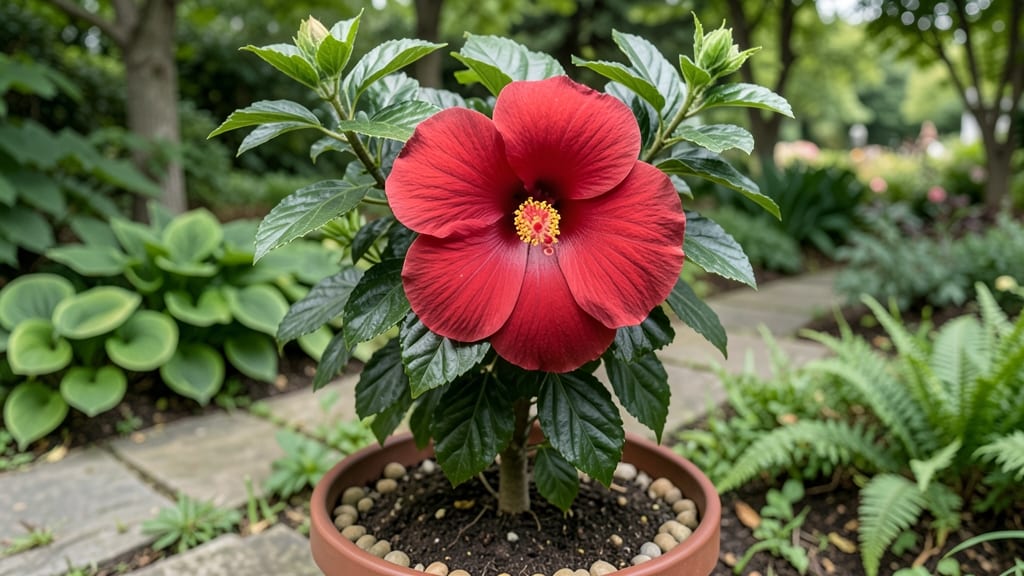
The biggest hibiscus flower you can grow in your garden starts with the right variety and a few clever tricks 🌸 — think dinner-plate blooms that turn heads at every summer party.
Picture this: a hibiscus so large it could double as a salad plate, with petals so bold they look like they were painted by hand. But here’s the catch—most gardeners miss the three key factors that turn average hibiscus into giants: spacing, pruning, and the right fertilizer mix.
If you’ve ever planted hibiscus only to watch them produce modest blooms, you’re not alone. The secret lies in mimicking their natural tropical habits—deep roots, strong support, and a feeding schedule that mirrors their wild growth patterns.
In this guide, I’ll walk you through the top 5 giant varieties, the exact pruning timeline that doubles bloom size, and how to set up a support system so sturdy it could handle a hurricane—without sacrificing that lush, tropical look.
Top 5 giant hibiscus varieties that will blow you away
If you’ve ever dreamed of hibiscus blooms so large they look like living art, you’re in the right place. The biggest hibiscus flowers can reach 8–12 inches in diameter, turning your garden into a tropical paradise.
These varieties aren’t just about size—they’re also hardy, disease-resistant, and perfect for humid climates or coastal gardens. Let’s dive into the top 5 giant hibiscus varieties that will make your neighbors green with envy.
Choosing the right variety depends on your USDA hardiness zone, desired flower color, and whether you want perennial or tropical growth habits. Some thrive in zones 5–9, while others need year-round warmth.
Below, I’ve curated the crème de la crème of giant hibiscus, complete with their peak bloom sizes, care quirks, and ideal growing conditions.
Pro Tip: All giant hibiscus varieties benefit from regular pruning to encourage larger blooms and prevent leggy growth. I’ll share my go-to pruning schedule later in this guide—don’t miss it!
Let’s start with the Hibiscus rosa-sinensis ‘Giant Red’, the undisputed king of giant hibiscus. This tropical beauty produces flames-red blooms that can reach 12 inches across, making it a showstopper in any garden.
It’s perfect for containers or as a specimen plant in warm climates. Just be prepared for its rapid growth—this variety can shoot up to 15 feet tall if left unchecked!
For gardeners in cooler climates (zones 5–9), the Hibiscus syriacus ‘Diana’ is a game-changer. Its lavender-pink blooms hit 6–8 inches in diameter and thrive as a perennial.
It’s also drought-tolerant once established, making it low-maintenance and perfect for privacy screens or border plantings. I’ve seen it bloom from mid-summer to frost—a true workhorse!
If your garden gets wet feet, the Hibiscus moscheutos ‘Lavender Chiffon’ is your best bet. This swamp hibiscus loves moisture and produces romantic, chiffon-like blooms in shades of lavender.
Its 8–10 inch flowers are a magnet for hummingbirds, and it’s hardy to zone 5, making it ideal for rain gardens or pond edges.
Now, let’s talk color variety. The Hibiscus rosa-sinensis ‘Blue Chiffon’ is a rare find—its soft blue-purple blooms can reach 11 inches and
Proven techniques to maximize hibiscus flower size: spacing, pruning & support
To grow plate-sized hibiscus blooms, you need to think big—both literally and in your garden planning. Giant hibiscus varieties like Hibiscus rosa-sinensis 'Giant Red' thrive when given room to stretch and support to stand tall.
The key lies in three science-backed strategies: proper spacing, strategic pruning, and structural support to prevent wind damage. Let’s break down how to implement each for showstopping results.
First, spacing is everything. Crowding plants forces them to compete for nutrients and sunlight, which stunts flower size. For giant hibiscus varieties, aim for 3–6 feet between plants—this gives roots room to spread and encourages larger blooms.
In smaller gardens, consider container growing with 15-gallon pots for each plant, ensuring they’re placed where they’ll get at least 6 hours of direct sunlight daily. This simple adjustment can double your flower size within a single season.
Pruning is another game-changer for maximizing hibiscus flower size. Most gardeners make the mistake of pruning at the wrong time—either too late in the season or too aggressively. The best time to prune is in late winter, just as new growth begins.
This encourages the plant to produce stronger, more vigorous branches that support larger blooms. Use clean, sharp pruners to cut back dead or weak branches and shape the plant into an open, airy form. Avoid heavy pruning in summer, as this can stress the plant and reduce flower production.
Even the hardiest hibiscus plants need support to reach their full potential. Without it, wind or heavy blooms can snap stems, diverting energy away from flower production. DIY solutions like bamboo stakes or simple trellises work wonders.
For taller varieties, insert a 5-foot stake into the soil next to the plant and gently tie the main stem to it with soft plant ties. This keeps the plant upright and allows it to channel energy into larger, more vibrant blooms.
If you’re growing hibiscus in containers, add a small trellis to the pot for extra support.
Don’t overlook the power of fertilization either. Hibiscus plants thrive on high-potassium fertilizers, which promote bloom size and color intensity.
Use a balanced 10-10-10 fertilizer every 4–6 weeks during the growing season, and switch to a low-nitrogen, high-phosphorus formula (like 5-10-10) in late summer to encourage fall blooming. Always water the fertilizer into the soil to prevent root burn, and avoid fertilizing in winter when the plant is dormant.
Finally, deadheading is a simple but often overlooked technique to boost flower size. Remove spent blooms regularly by pinching them off just above a set of leaves. This encourages the plant to produce new buds and redirects its energy toward larger, showier flowers rather than seed production.
With these techniques—proper spacing, strategic pruning, support, and fertilization—you’ll be well on your way to growing hibiscus blooms that could rival a dinner plate in size.
🌸