
Watering
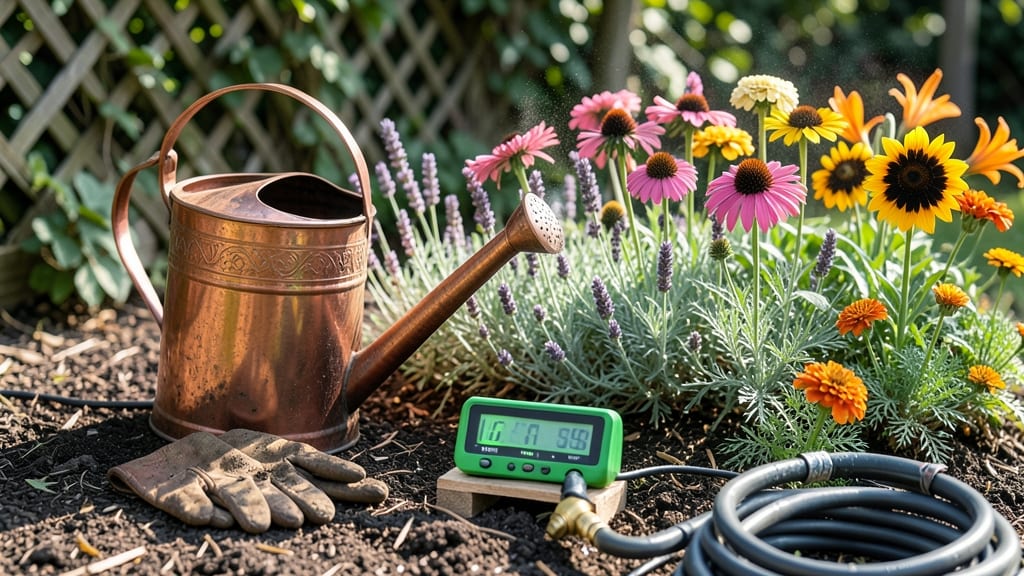
Watering outdoor flowers at the right time is the secret weapon for vibrant blooms and fewer pests — and the best time is early morning, when the sun isn’t yet beating down.
Struggling to keep your outdoor flowers thriving despite consistent watering? The secret isn’t how much you water—but when you do it. Timing makes all the difference between lush blooms and wilted petals.
Morning watering gives roots time to soak up moisture before the heat of the day, while evening water can leave petals damp and invite fungal problems. Plus, you’ll waste less water when evaporation is lower.
Below, I’ll break down the science behind morning watering, when to bend the rules, and pro tips to keep your 🌸 outdoor flowers thriving all season long.
Why morning watering creates stronger, healthier flowers
If you’ve ever wondered why your roses or petunias look perkier after morning watering, science has the answer. The ideal watering time isn’t just about convenience—it’s about how plants absorb moisture and resist diseases.
When you water in the morning, you’re giving your flowers a head start to thrive before the day’s heat and pests take over.
Most gardeners assume watering at any time works, but research shows morning watering (between 6 AM and 9 AM) maximizes root growth and minimizes evaporation loss. Flowers like hydrangeas and lavender especially benefit because their roots can soak up water before the sun intensifies.
Plus, wet foliage dries faster in the morning, reducing fungal diseases like powdery mildew.
Here’s the science behind it: Transpiration (how plants release water) slows down at night, meaning evening water can sit on leaves for hours—perfect conditions for pests and mold. Morning watering ensures leaves dry quickly, keeping your garden healthy and vibrant.
Another key factor is water efficiency. In hot climates, up to 30% of water can evaporate before plants absorb it if you water at noon. Morning watering cuts waste, saving you time and resources while keeping your soil moist for longer.
| Time | Benefits | Risks | Best For |
|---|---|---|---|
| 6 AM - 9 AM | Max root growth, less evaporation, faster leaf drying | None (ideal) | All climates, most flowers |
| 10 AM - 2 PM | Quick hydration for heat-loving plants | High evaporation, water waste | Desert plants (e.g., succulents) |
| 4 PM - 7 PM | Cools plants in extreme heat | Fungal growth, slug activity | Tropical climates only |
| 8 PM - Midnight | None (avoid) | Root rot, pest attraction, disease | Never recommended |
But what if you live in a humid climate like Florida or a dry desert like Arizona? The rules adjust slightly. In humid areas, morning watering still wins, but you might need to water earlier (before 7 AM) to prevent powdery mildew.
In deserts, a midday watering (after 10 AM) can work for drought-tolerant flowers like cacti or yucca, but most blooming flowers still prefer mornings.
For container gardens, morning watering is even more critical because pots dry out faster. A deep soak in the morning ensures roots stay hydrated all day. Pro tip: Use a moisture meter to check soil levels—if it’s dry by mid-morning, your flowers need more frequent watering.
Don’t forget about seasonal adjustments. In summer, water earlier (6-7 AM) to combat heat stress. In spring, a slightly later morning (7-8 AM) works as temps rise. And in fall, reduce frequency but keep mornings as your go-to time.
Even newly planted flowers benefit from morning watering. The first week after transplanting is critical—watering in the morning helps roots establish without stress from afternoon heat. Add a 2-inch layer of mulch to retain moisture and regulate soil temperature.
If you’ve been watering at night, don’t panic—switching to mornings can transform your garden in just 2-3 weeks. You’ll notice fewer wilting leaves, brighter blooms, and even more pollinators visiting your flowers.
The key is consistency: stick to the morning routine, and your garden will thank you with stronger stems and longer-lasting blooms.
Ready to make the switch? Start your watering routine before sunrise tomorrow, and watch your outdoor flowers flourish like never before! 🌸
Morning vs. evening watering: key differences and when to break the rule
Watering your outdoor flowers at the right time can mean the difference between vibrant blooms and struggling plants. While morning watering is often recommended, there are exceptions depending on your climate and flower types. Understanding the key differences helps you make smarter decisions for your garden's health.
Morning watering allows roots to absorb moisture before the heat of the day, reducing water evaporation and fungal risks. However, evening watering can work better in extremely hot or dry climates where daytime evaporation is extreme.
Let's break down the pros and cons to help you decide what's best for your flowers.
Morning Watering
- Reduces evaporation (water lasts longer)
- Encourages deep root growth (roots seek moisture)
- Minimizes fungal risks (foliage dries quickly)
- Prevents slug/snail activity (they hide during day)
- Requires early wake-ups (before 9 AM ideal)
- Less effective in extreme heat (water evaporates fast)
- Not ideal for drought-prone areas (may need night watering)
Evening Watering
- Better for desert climates (reduces daytime loss)
- Cools plants overnight (helps in extreme heat)
- Works for tropical flowers (high humidity areas)
- Increases fungal risks (foliage stays wet overnight)
- Attracts pests (slugs/snails are active at night)
- Wastes water (evaporates less but promotes disease)
For most USDA Zone 6 gardens, morning watering between 6-9 AM is ideal. However, if you live in a hot/dry climate (like Arizona or California), evening watering can be more efficient. Tropical regions with high humidity may also benefit from adjusted timing to prevent fungal issues.
Pay attention to your flower types too. Delicate blooms like roses and hydrangeas thrive with morning watering, while succulents and cacti often prefer evening watering in scorching climates. Always check for wilting leaves or yellowing petals—signs your current watering schedule may need adjustment.
Pro tip: Use a soaker hose in the morning to deliver water directly to roots while keeping foliage dry. This maximizes benefits while minimizing risks. For container flowers, morning watering is almost always best to prevent stagnant water in pots.
Remember, the "rules" of watering are flexible. Experiment with timing based on your local climate and observe how your flowers respond. With the right approach, you'll see stronger stems, brighter blooms, and healthier plants all season long. 🌸