
Blooming
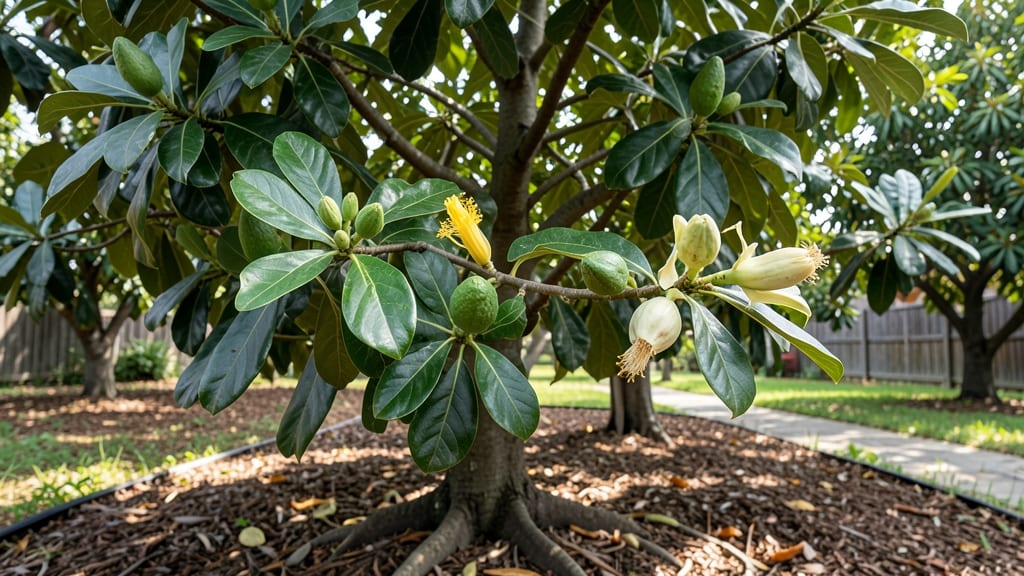
Understanding the avocado flower stages is the secret to unlocking a bountiful harvest from your 🥑 tree—because not all blooms lead to fruit.
Did you know your avocado tree’s flowers hold the key to predicting next year’s harvest? Understanding these delicate stages can transform your gardening success from guesswork to precision. For example, Type A and Type B flowers don’t open at the same time, which is why cross-pollination matters so much.
Each stage reveals critical clues about fruit potential, from the first buds to the final pollination window. If you’ve ever watched flowers drop without a single fruit forming, you’re not alone—and the answer lies in these stages.
Here’s what each phase tells you about your tree’s health, how to encourage successful pollination, and how to avoid common mistakes that waste your hard work.
The 4 critical avocado flower stages and their fruit potential
Avocado trees produce flowers that follow a fascinating 4-stage cycle, but not all stages lead to fruit. Understanding these phases helps you predict harvest potential and intervene when needed.
The process begins with bud formation and ends with either fruit set or flower drop—each stage reveals critical clues about your tree’s health and future yield.
Here’s the secret: avocado trees are dichogamous, meaning their flowers have Type A and Type B reproductive phases. Type A flowers release pollen in the morning, while Type B flowers are receptive then.
This means cross-pollination between different trees (or compatible flowers on the same tree) is essential for fruit development. Without it, many flowers will drop without setting fruit.
Let’s break down each critical stage, what it means for fruit potential, and how to maximize success at every step. The comparison table below highlights key differences between Type A and Type B flowers during these phases.
| Stage | Type A Flowers | Type B Flowers | Fruit Potential |
|---|---|---|---|
| 1. Bud Formation | Small green buds appear on branches | Same as Type A | High (healthy buds = future flowers) |
| 2. Flower Opening | Pollen released early morning | Stigma receptive early morning | Moderate (needs cross-pollination) |
| 3. Pollination Window | Stigma closes by afternoon | Pollen released by afternoon | Critical (missed = no fruit) |
| 4. Fruit Set or Drop | Unpollinated flowers drop | Same as Type A | High (if pollinated correctly) |
Stage 1: Bud Formation is your first clue about next year’s harvest. Healthy buds mean your tree is storing enough energy for flowering. Look for green, plump buds along branches—these will bloom in 4-6 weeks. If buds are sparse or shriveled, your tree may need more sunlight, water, or nutrients to recover.
During this stage, focus on balanced care: water deeply but avoid soggy soil, and apply a low-nitrogen fertilizer to support bud development. Young trees (under 3 years old) often produce buds but drop them due to stress or immaturity.
Patience is key—fruit production typically starts at 3-5 years for container-grown trees.
Stage 2: Flower Opening is where the magic—or the disappointment—begins. Flowers emerge as small, pale green blooms with a single purple or yellow petal. Type A flowers release pollen first, while Type B flowers’ stigmas (the receptive part) are ready. Without bees or wind to transfer pollen between flower types, many will fail to set fruit.
Here’s the catch: Single trees rarely produce fruit because they lack both flower types in sync. If you have only one avocado tree, consider hand-pollinating or planting a second tree with complementary flowering times. Even then, only 10-20% of flowers typically set fruit naturally due to environmental factors.
Stage 3: Pollination Window is the most critical 24-hour period. Type A flowers’ stigmas close by afternoon, while Type B flowers’ pollen is ready. Miss this window, and the flower’s reproductive potential is lost. Bees are your best allies—a single hive near your tree can increase fruit set by 30-50%. If you live in an urban area with few pollinators, hand-pollination becomes essential.
To hand-pollinate, use a soft brush to transfer pollen from Type A flowers (morning) to Type B flowers (afternoon), or vice versa. Focus on healthy, open flowers—those that are wilted or damaged won’t contribute to fruit.
After pollination, watch for tiny green bumps where fruit will form. These appear 7-10 days after successful pollination.
Stage 4: Fruit Set or Drop reveals the final outcome. Successfully pollinated flowers will develop into small, pea-sized fruit within weeks. Unpollinated flowers or those stressed by heat, drought, or pests will drop. This stage is heartbreaking for gardeners—many flowers that looked promising will fail to set fruit.
If your tree drops most flowers, don’t panic. This is normal! Even mature avocado trees only convert 5-15% of flowers into fruit. To improve success, thin young fruit to 6-8 inches apart once they’re golf-ball sized—this ensures the remaining fruit gets enough nutrients.
Avoid over-fertilizing nitrogen during this stage, as it encourages leafy growth over fruit development.
Now that you understand each stage, you can predict and influence your avocado tree’s fruit potential. Next, we’ll dive into practical pollination tips to turn more of those flowers into harvest-ready avocados. 🥑
How to maximize fruit set: pollination tips for each flower stage
Avocado trees rely on precise pollination timing to set fruit, but many gardeners miss critical details that waste potential harvests. Understanding how to support each flower stage—from bud to fruit—can triple your success rate.
The key lies in recognizing Type A vs. Type B flowers and intervening when nature falls short.
First, identify your tree’s flowering type: Type A flowers open in the morning and close by afternoon, while Type B flowers bloom at night. If your tree has only one type, you’ll need a companion tree or hand-pollination.
Even with both types, environmental factors like humidity levels or bee activity can disrupt pollination.
⚠️ Critical Mistake Alert: Overwatering During Blooming
Excess moisture at flowering time causes buds to drop before pollination. Type A flowers (morning blooms) are especially vulnerable. Reduce watering by 50% during peak bloom—aim for 1 inch of water per week instead of soaking the soil.
Pro Tip: Use a moisture meter to check soil—60-70% humidity is ideal for pollinators.
For hand-pollination, use a small paintbrush to transfer pollen from Type B flowers (night-blooming) to Type A flowers in the morning. Focus on fresh, open flowers—pollen loses viability after 24 hours.
Schedule this task between 8 AM and 10 AM when flowers are receptive. Wear gloves to avoid transferring oils that can harm delicate petals.
Create ideal conditions by placing a shallow dish of sugar water (1:4 ratio) near your tree to attract bees. Add native pollinator plants like lavender or sunflowers within 50 feet of your avocado.
Avoid pesticides during bloom—even organic sprays can harm bees. If your region lacks natural pollinators, consider purchasing bee colonies temporarily during peak flowering.
Monitor for failed pollination signs: flowers that drop within 3-5 days without swelling indicate poor fertilization. In this case, reapply hand-pollination every 48 hours for 10 consecutive days. Young trees (3 years old) often struggle—supplement with balanced fertilizer (6-6-6 NPK) to boost energy for fruit development.
After successful pollination, thin developing fruit to 6-8 inches apart when they’re golf-ball sized. This prevents overburdening the tree, which can lead to fruit drop or poor-quality avocados. Prune any suckers or dead branches during this time to redirect the tree’s energy toward fruit maturation.