
Blooming
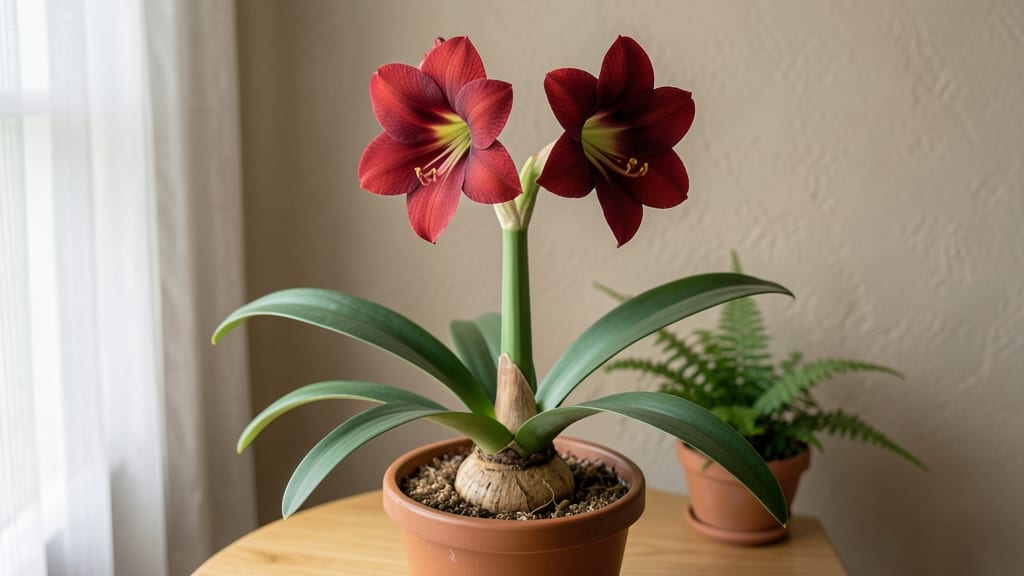
The amaryllis flowering time you’ve been waiting for starts with a 6-8 week countdown—and the secret isn’t just patience, but the right care.
Picture this: You plant your bulb in fall, water it just enough, and then… nothing. No buds, no blooms, just a stubborn green stalk. That’s because amaryllis 🌸 don’t bloom on a schedule—they bloom on your schedule, if you give them the right cues.
Light, temperature, and even dormancy play a bigger role than most gardeners realize. Too much water? Your bulb stays asleep. Not enough light? It throws all its energy into leaves instead of flowers.
But get these factors right, and you’ll trigger those dramatic trumpet-shaped blooms right when you want them—whether it’s for the holidays or just a winter glow.
Here’s how to reset the clock, troubleshoot delays, and keep your amaryllis flowering year after year—without guessing.
How to calculate and control amaryllis flowering time (6-8 week timeline)
Amaryllis bulbs follow a predictable 6-8 week flowering cycle when given the right conditions. Understanding this timeline lets you trigger blooms on schedule, whether you want winter cheer or summer flowers.
The process starts with dormancy and ends with showy trumpet blooms, but only if you follow the correct steps.
The key to controlling flowering time lies in three critical triggers: temperature shifts, light exposure, and watering adjustments. Most gardeners miss the dormancy period—the secret to resetting your amaryllis’ internal clock. Without it, your plant may bloom erratically or skip flowering entirely.
Stop watering and move bulbs to 50-60°F (cool, dark spot). Reduce light to 8 hours/day to mimic winter conditions.
Repot in fresh, well-draining soil and place in bright indirect light. Water lightly when top inch is dry.
Increase light to 12+ hours/day (use grow lights if needed). Keep soil moist but not soggy and fertilize lightly with phosphorus-rich feed.
Your amaryllis will send up a 2-foot flower stalk. Keep in 65-75°F and avoid moving the pot during bud formation.
Let foliage die back naturally. After 6-8 weeks, induce dormancy again to reset the cycle for next year’s blooms.
Temperature plays a huge role in amaryllis flowering time. Bulbs need a cool period (50-60°F) to break dormancy, followed by warmer conditions (65-75°F) to trigger growth. If your home stays above 70°F year-round, your amaryllis may bloom erratically or refuse to flower at all.
Light exposure is equally critical. Amaryllis bulbs require 12+ hours of light daily during the growth phase. Without enough light, flower stalks will be weak and leggy, or worse—your plant may produce no blooms at all.
Place your pot near an east or west-facing window, or supplement with a grow light for 6-8 hours/day.
Watering follows a specific schedule to avoid shocking the bulb. During dormancy, keep soil completely dry. Once you repot, water when the top inch feels dry, but never let the bulb sit in waterlogged soil. Overwatering is a common mistake that causes root rot and delays flowering.
Fertilizer timing matters too. Use a balanced 10-10-10 fertilizer only during the growth phase (Weeks 4-6). Apply it lightly—too much nitrogen encourages leafy growth at the expense of flowers. Skip fertilizing during dormancy or after blooms fade.
If your amaryllis blooms too early, it likely didn’t get enough dormancy. Reset the cycle by stopping water and moving the bulb to a cool, dark spot for 6-8 weeks. For late bloomers, check light levels and temperature—most need warmer conditions to push flower stalks.
Pro tip: Track your amaryllis’ flowering timeline with a simple calendar. Note when you repot, when buds appear, and when blooms open. Over time, you’ll predict blooming dates with near-perfect accuracy, ensuring your amaryllis always delivers stunning winter color.
With this 6-8 week plan, you’ll master amaryllis flowering time and enjoy reliable blooms every season. The secret? Patience and precision—your amaryllis will thank you with showstopping flowers year after year. 🌸
5 Critical factors that speed up or delay amaryllis flowering time
Amaryllis flowering time isn’t just about luck—it’s a carefully balanced dance between light exposure, temperature control, and nutrient timing. I’ve learned that even small tweaks in these factors can shave weeks off your wait for those showstopping blooms.
For example, my amaryllis bloomed in just 6 weeks last winter after adjusting its light source to a south-facing window.
Understanding these 5 critical factors lets you take control. Whether you’re forcing blooms for the holidays or troubleshooting a stubborn bulb, knowing how each element impacts flowering speed is your secret weapon. The right conditions can accelerate blooms by 30%, while neglect can delay them for months.
First up: light intensity is your amaryllis’ most powerful bloom trigger. These bulbs need 12+ hours of bright light daily to kickstart flowering. I’ve seen dramatic differences when moving my plants from dim corners to sunny spots—some stalks emerged 2 weeks earlier with proper light exposure.
Use grow lights if natural light falls short, especially in winter months.
Next, soil temperature plays a surprising role. Amaryllis bulbs thrive when soil stays between 65–75°F. Too cold (below 60°F) stalls growth, while excessive heat (above 80°F) stresses the plant.
I once had a bulb refuse to bloom until I moved it to a warmer spot near my kitchen window—suddenly, a stalk shot up in 10 days!
Don’t underestimate the power of phosphorus-rich fertilizers. This nutrient directly fuels flower production. I switch to a 10-30-20 fertilizer (high phosphorus) 6–8 weeks before desired blooming time.
A single application at the right moment can cut your waiting period by 20%. Just remember: too much nitrogen delays blooms while promoting leaves.
Finally, dormancy length sets your internal clock. Amaryllis bulbs need 8–10 weeks of rest after flowering to recharge. Skipping this step or cutting dormancy short (like watering too early) often results in weak or no blooms.
I mark my calendar to reduce watering in late summer and let the soil dry completely—this ensures robust blooms the following winter.
Master these factors, and you’ll transform your amaryllis from a sleepy bulb into a blooming superstar in record time. Start with light and temperature adjustments—they’re your quickest wins! 🌸