
Planting
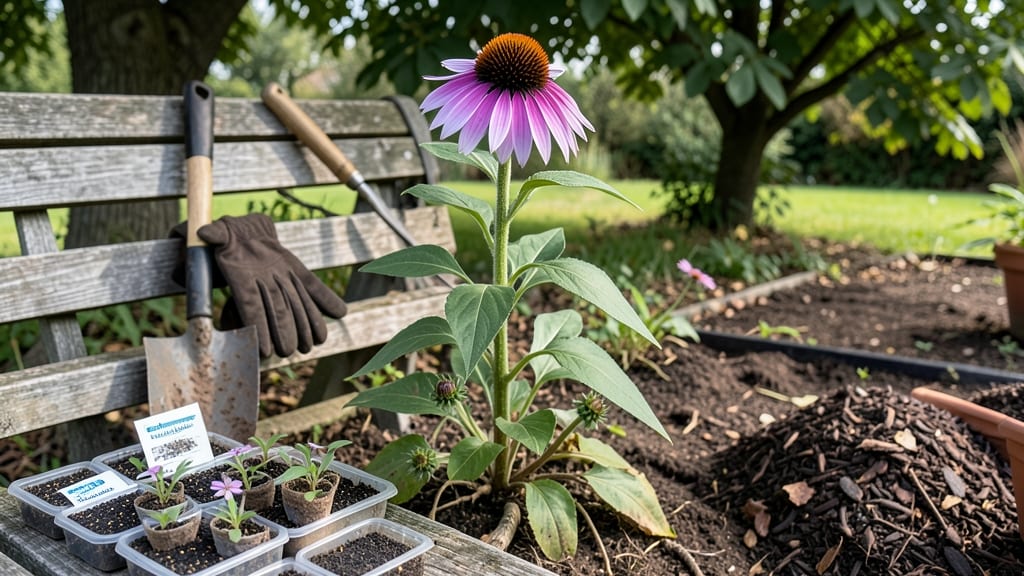
Planting coneflower seeds at the right time—after cold-stratification—is the key to unlocking 90% germination without the guesswork.
Struggling to get your 🌼 coneflower seeds to sprout? The secret lies in timing—and a little cold-stratification magic. Plant these vibrant blooms at the wrong time, and you’ll waste months waiting for germination. But master this trick, and you’ll enjoy success with minimal effort.
For gardeners in USDA Zone 6a (like much of the Midwest), the best window is late spring to early summer, but there’s a smarter way: sow seeds indoors in fall or winter to mimic natural frost cycles.
This method works even in warmer climates, where direct outdoor planting often fails.
Below, I’ll walk you through the exact cold-stratification steps, regional adjustments, and post-planting care to ensure your coneflowers thrive from seed to summer blooms.
Best planting times for coneflower seeds by US climate Zone
Coneflowers (Echinacea) thrive when planted at the right time, but their germination rates skyrocket with a little cold-stratification magic. Unlike many flowers, these seeds need a winter-like chill to break dormancy—nature’s way of timing their awakening.
Planting in fall or late summer often outperforms spring sowing because it mimics their natural cycle. Let’s break down the ideal windows for your USDA zone to ensure those bright pink and purple blooms appear next season.
Most gardeners assume spring planting is best, but coneflowers are perennials that perform better when sown in fall. This gives seeds time to stratify naturally over winter, emerging stronger in spring.
However, Zone 10’s mild winters change the game—here, spring planting with artificial stratification works better. Let’s explore the zone-by-zone breakdown to avoid common mistakes like overwatering or planting too early.
🌱 Pro Tip: If you must plant in spring, stratify seeds indoors for 4-8 weeks before sowing. This mimics winter’s chill and boosts germination from 50% to 90%.
| USDA Zone | Best Planting Window | Cold-Stratification Timing | Regional Adjustments |
|---|---|---|---|
| Zones 3-5 | Late August to September | 4-6 weeks before first frost | Avoid planting if soil temps drop below 40°F. |
| Zones 6-7 | Mid-September to October | 6-8 weeks before frost | Drought-prone areas? Mulch heavily after planting. |
| Zones 8-9 | td style="padding: 10px; text-align: center;">October to November8-10 weeks before frost | Spring planting works if stratified indoors. | |
| Zone 10 | February to March | Indoor stratification only | No natural frost—use grow lights for seedlings. |
For Zones 3-5, late summer planting lets seeds stratify naturally as temperatures drop. If you live in Zone 6 or 7, aim for September sowing—this gives seeds time to establish roots before winter.
In drought-prone areas like the Southwest, mulching after planting retains moisture critical for young seedlings. Skip the mulch in Zone 10; instead, focus on consistent moisture since there’s no frost to trigger dormancy.
Spring planting is trickier because seeds often sprout too early if not stratified. I’ve seen gardeners in Zone 8 plant in March without stratification and end up with weak, leggy seedlings.
To fix this, stratify seeds for 6-8 weeks in a moist paper towel inside a sealed bag in your refrigerator. This mimics winter’s chill and ensures stronger roots when you transplant.
One common mistake is planting coneflower seeds too deep. These seeds need light to germinate, so sow them just ¼ inch deep. Press them gently into loose, well-draining soil and keep the area moist but not soggy.
In Zone 10, where frost is rare, grow lights become essential for seedlings—place them 6 inches above the soil to prevent etiolation (those sad, stretched-out stems).
If you’re in a transition zone (e.g., Zone 7b), err on the side of earlier planting. These areas experience unpredictable frosts, and seeds planted in late September might not have enough time to establish roots.
Instead, aim for mid-September and protect seedlings with row covers if frost threatens. This two-week buffer makes all the difference in germination success.
For drought-prone regions, like parts of Zone 9, consider raising beds to improve drainage. Coneflowers hate waterlogged soil, and their roots need oxygen to thrive. Amend your soil with compost before planting to boost water retention while preventing compaction.
In these areas, drip irrigation is your best friend—it delivers consistent moisture without wasting water.
Remember, fall planting gives coneflowers a head start on next year’s blooms. By the time spring arrives, your seeds will already be rooted and ready to shoot up. If you miss the fall window, don’t despair—just stratify seeds indoors and plant in early spring.
The key is patience and precision: whether you’re in Zone 3 or Zone 10, timing is everything for those cheerful coneflower blooms.
Cold-stratification method: Step-by-Step for 90% germination
Cold-stratification mimics nature’s winter chill, breaking coneflower seeds’ dormancy for 90% germination rates. Without this step, you might wait months—or give up entirely. The key lies in replicating 34-40°F temperatures and consistent moisture for 4-8 weeks.
This method works year-round, so you’re never stuck waiting for the right season to plant.
Start by gathering moisture-retentive materials like peat moss or a damp paper towel. Place your seeds in a sealed container with these materials, ensuring they’re not submerged.
The goal is to keep them consistently damp (not soggy) while exposing them to cold. A refrigerator’s crispier drawer is perfect for this—it’s cold enough without freezing.
🌱 Step-by-Step Cold-Stratification Guide
- 📝 Step 1: Mix coneflower seeds with moist peat moss or a damp paper towel in a sealed container.
- 🧊 Step 2: Place the container in your refrigerator’s crisp drawer (34-40°F). Avoid freezer sections!
- 💧 Step 3: Check moisture weekly. Spritz with water if the mix feels dry but not soggy.
- ⏳ Step 4: Stratify for 4-8 weeks. Most seeds germinate within 6-8 weeks, but some may take longer.
- 🌱 Step 5: Once sprouted, transplant to well-draining soil outdoors after last frost or under grow lights indoors.
Premature sprouting? Your container might be too warm. Move it to a cooler part of the fridge or add an ice pack (unopened) to the sides. Conversely, mold or foul smells mean excess moisture—open the container for 24 hours to air it out before resealing.
This balance is critical for avoiding seed loss.
After stratification, your seeds will be ready to plant in late spring (after last frost) or early fall. Direct-sow them ¼ inch deep in well-draining soil, spacing them 12-18 inches apart.
Coneflowers thrive in full sun, so choose a spot with 6+ hours of sunlight daily. With this method, you’ll see bold blooms in just 2-3 months!
Cold-stratification isn’t just for coneflowers—it works for black-eyed Susans, bee balm, and even wildflowers. Once you master this trick, your garden’s pollinator-friendly blooms will flourish year after year. Happy stratifying! 🌼