
Flowers
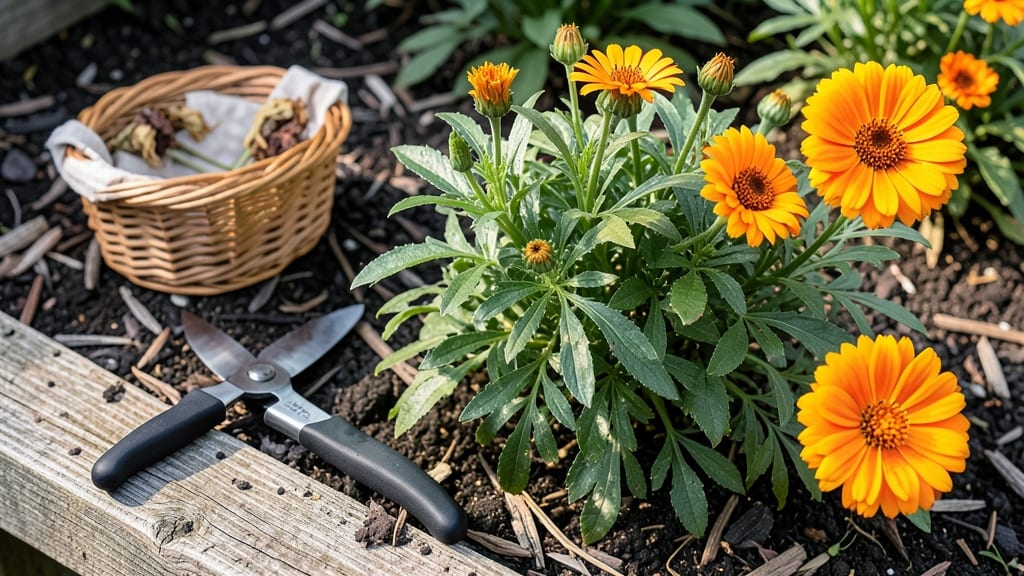
Harvesting calendula flowers at the right time ensures you capture their peak potency for teas, salves, and garnishes—when petals shift from golden-orange to deep red, signaling full maturity.
Picture this: you’ve nurtured your 🌼 plants all season, and now the moment of truth arrives. One wrong cut and you’re left with pale blooms that fade fast or bitter-tasting petals. The difference between a high-quality harvest and wasted effort comes down to timing—and a few simple visual cues.
Most gardeners in USDA Zone 6a start harvesting in late July, but the real secret lies in the petal color and flower head size. A fully unfurled bloom with a deep orange-yellow center is your green light, while curled petals or stiff stems mean wait a few more days.
In this guide, I’ll walk you through how to spot the perfect harvest window, avoid common mistakes, and preserve your calendula’s vibrant color and medicinal properties for months to come.
How to spot the perfect calendula petal color for harvesting
Calendula flowers undergo a stunning color transformation as they mature, signaling when they're ready for harvesting. The shift from pale yellow buds to deep golden-orange petals isn't just beautiful—it's your cue for peak potency.
I've learned that sunlight exposure actually accelerates this ripening process, so plants in sunnier locations reach harvest readiness faster.
Each petal color phase corresponds to different medicinal compound levels. The golden-orange stage contains the highest concentration of carotenoids and flavonoids, which give calendula its healing properties. When petals start showing reddish-brown edges, that's your final window before potency begins to decline.
I always harvest at this precise moment to maximize both medicinal and culinary benefits.
The center disk color is another critical indicator. A vibrant deep orange-yellow center means your flowers are at peak harvest time. When I see this color combined with fully flat petals, I know the flowers have reached their optimal ripeness window.
This combination guarantees the strongest medicinal properties and most vibrant color for culinary uses.
| Petal Color Phase | Center Disk Color | Potency Level | Harvest Readiness |
|---|---|---|---|
| Pale yellow-green | Green | Low | Not ready |
| Bright yellow | Light orange | Medium | Early harvest |
| Golden-orange | Deep orange-yellow | High | Prime harvest |
| Reddish-brown edges | Dark brown | Declining | Final harvest |
I've noticed that morning sunlight enhances these color changes, making the petals appear even more vibrant. When harvesting, I always check for fully flat petals that have completely unfurled. This flat position indicates the flower has reached its maturity peak and contains the maximum concentration of beneficial compounds.
The stem flexibility test is my final check before harvesting. When I gently bend a stem and it snaps easily, I know the flower is ready.
This test confirms the plant has allocated its energy to the flower head rather than the stem, which is a key indicator of optimal ripeness. I've found this method works better than just looking at color alone.
Different calendula varieties show slightly different color patterns during ripening. For example, 'Moonlight Mix' develops a softer yellow hue, while 'Touch of Class' shows more pronounced orange tones. Understanding these variations helps me time my harvests more precisely for each variety in my garden.
The color differences don't affect potency but do influence the final appearance of dried flowers.
Sunlight plays a crucial role in accelerating the color change process. Plants receiving 6+ hours of direct sun will show more vibrant colors and reach harvest readiness faster than those in partial shade.
I've seen a 2-3 day difference in ripening times between sun-exposed and shaded plants. This is why I always plant calendula in the sunniest spots in my garden.
Harvesting at the right color stage ensures you get the most potent medicinal properties and the most vibrant petals for culinary uses. The golden-orange phase is particularly valuable for making calendula-infused oils and salves, as this is when the plant contains the highest concentration of anti-inflammatory compounds.
I always aim to harvest at this stage for my homemade remedies.
Remember that petal color fades quickly after harvest, especially when exposed to light. To preserve the vibrant hues, I store freshly harvested flowers in a cool, dark place until I can dry them properly.
This simple step helps maintain both the color and medicinal potency of my calendula harvests for months to come.
Best practices for harvesting calendula at peak freshness
Harvesting calendula at the right time ensures vibrant petals packed with medicinal compounds and culinary flavor. The key lies in timing—morning harvests preserve moisture and color, while afternoon cuts risk wilting from heat.
I’ve found that fully open blooms with flat petals yield the best results for drying or fresh use.
Your tools matter too: sharp pruning shears or clean scissors prevent damage to stems. Always cut just above a leaf node to encourage new growth. For medicinal use, prioritize golden-orange petals as they contain the highest levels of carotenoids and flavonoids.
⚠️ callout-warning
Calendula flowers peak at full bloom—waiting too long causes petals to darken or wilt, reducing medicinal benefits. Harvest before petals curl or turn brown. Morning dew can mask freshness, so shake off moisture before handling.
✅ Do: Cut stems at 45° angles for better drying.
❌ Avoid: Harvesting after rain or in humid afternoons.
Post-harvest care starts immediately. Bundle stems in paper bags and hang upside-down in a dry, dark space with good airflow. Ideal drying conditions are 60–70°F and low humidity. Petals should crumble easily when dry—this confirms potency retention.
For fresh use, store harvested calendula in the fridge for up to 5 days. Place stems in a jar of water like cut flowers, changing water daily. This preserves color and texture longer than air-drying for culinary purposes.
Seasonal timing matters too. In USDA Zone 6a, I harvest from July through September, avoiding frost. Early morning cuts in cool weather yield the brightest petals. If your climate is hotter, harvest before 10 AM to prevent heat stress.
Pro tip: Deadhead spent blooms regularly to encourage new flowers. This extends your harvest window by 3–4 weeks per season. Always leave at least 2–3 leaves per stem to support photosynthesis.