
Blooming
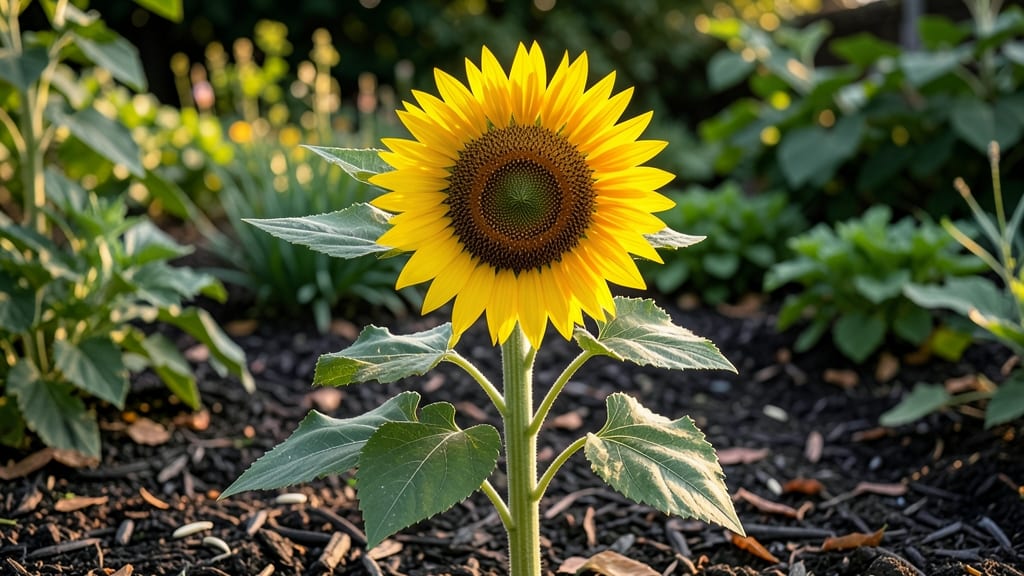
The sunflower flowering time varies between 50 and 120 days after planting, depending on the variety and growing conditions.
If you’ve ever planted sunflower seeds with high hopes only to watch them grow into towering stalks without a single bloom, you’re not alone. The key to vibrant 🌻 displays lies in understanding your sunflower’s timeline—and how to nudge it along when it’s running late.
Some varieties, like the speedy ‘Teddy Bear,’ burst into bloom in just 50 days, while giants like ‘Russian Giant’ can take up to four months. Climate, daylight hours, and even soil quality play a bigger role than most gardeners realize.
Below, I’ll break down the exact flowering windows for popular types, plus proven tricks to encourage early (or extended) blooms.
Ready to plan your garden for a sunflower spectacle? You’ll learn how to track growth stages, adjust care for faster results, and troubleshoot common delays—so you can enjoy those cheerful faces from mid-summer straight through fall.
Sunflower flowering time by variety: fastest to longest blooming days
If you're dreaming of bright yellow sunflowers lighting up your garden, timing is everything. The variety you choose determines how quickly you'll see those cheerful blooms—some burst into flower in just 50 days, while others take 120 days or more.
Understanding these timelines helps you plan for seasonal displays, cut flowers, or even birdseed harvests. Let’s break down the fastest and longest-blooming sunflower varieties so you can pick the perfect fit for your garden schedule.
Fast-blooming varieties are ideal for late summer color or quick rewards, while taller, slower varieties reward patience with dramatic height and long-lasting blooms. Whether you're a patient gardener or need instant gratification, there’s a sunflower variety to match your timeline.
Here’s what you need to know before planting to meet your blooming goals.
The Lemon Queen is the fastest bloomer, delivering vibrant lemon-yellow flowers in just 50 days, making it perfect for gardeners who want quick color. Its compact size also works well in containers or small spaces.
If you prefer classic yellow blooms, the Teddy Bear variety is another speedy option, blooming in 55-60 days and reaching a manageable 3-5 feet tall. These varieties are ideal for late summer displays or adding height to borders.
For those willing to wait, the Russian Giant and Mammoth varieties deliver jaw-dropping height and dramatic blooms. The Russian Giant takes 80-90 days to flower but can reach 10-14 feet tall, making it a statement piece in any garden.
Meanwhile, the Mammoth variety, which blooms in 85-100 days, is a favorite for seed production and bird feeders due to its 12-16 foot stature. If you're growing sunflowers for long-lasting cut flowers, the ProCut variety is a top choice, blooming in 100-110 days and producing stur
How to speed up sunflower flowering: pro tips for faster blooms
Sunflowers are nature's cheerful giants, but even they need a little help to reach their full potential. If you're eager to see those golden blooms sooner, the key lies in optimal growing conditions and smart care strategies.
With the right approach, you can shave weeks off the typical 70-120 day flowering time and enjoy vibrant sunflowers in as little as 50-60 days for faster varieties.
First, let's address the most critical factor: sunlight exposure. Sunflowers are sun-worshippers, and they'll reward you handsomely if you give them what they crave. Plant your seeds in a location where they'll receive at least 6-8 hours of direct sunlight daily.
Even partial shade can delay flowering by 2-4 weeks, so choose your spot carefully—especially if you're growing in USDA Zone 6a where daylight hours vary seasonally.
- 1
- 2
- 3
- 4
- 5
Another game-changer is soil preparation. Sunflowers thrive in well-draining, slightly acidic soil with a pH between 6.0-7.5. Before planting, mix in compost or aged manure to provide essential nutrients without overwhelming the young plants.
I like to add a 1-inch layer of compost to the top 6 inches of soil—this gives roots the energy they need to grow quickly and reach the flowering stage faster.
Don't forget about watering techniques—this is where many gardeners unintentionally slow down their sunflowers. Instead of watering lightly every day, give your plants a deep watering every 3-5 days.
This encourages deep root growth, which helps the plant access nutrients more efficiently and speeds up the transition from vegetative growth to flowering. Water in the early morning to prevent fungal diseases that can stress your plants and delay blooms.
If you're growing sunflowers in containers or small spaces, choose dwarf varieties like 'Peppermint Twist' (60 days) or 'Sunspot' (55 days). These compact plants often bloom 2-3 weeks earlier than their tall counterparts because they don't expend energy growing tall stems.
Plus, container-grown sunflowers get better air circulation, reducing the risk of fungal issues that can delay flowering.
Finally, keep an eye out for pests and diseases that can stress your plants. Aphids, spider mites, and powdery mildew are common culprits that can weaken sunflowers and push back their flowering time.
I recommend using neem oil or insecticidal soap at the first sign of trouble—these natural remedies are effective and won't harm your plants like chemical pesticides might.