
Flowers
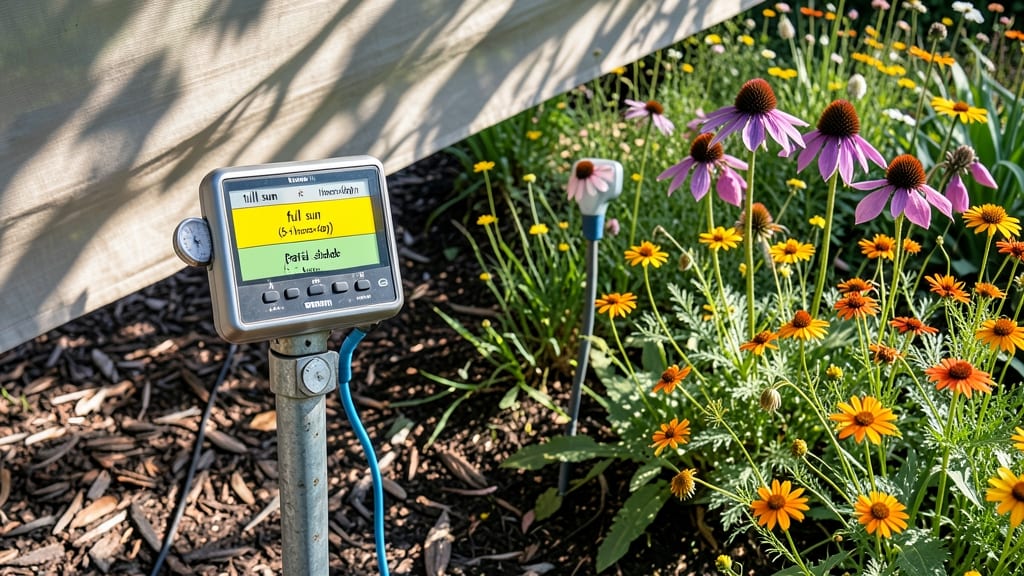
Wildflowers thrive in full sun but don’t need it to bloom beautifully—many varieties adapt to partial shade with the right care.
Picture this: a garden bursting with 🌼 wildflowers in a spot where harsh sunlight would scorch other plants. That’s the magic of shade-tolerant species, which prove that vibrant blooms aren’t tied to full sun.
Whether you’re working with a shady corner or just want more options, these hardy flowers deliver color without the sun demands.
Sunlight affects everything from growth speed to flower size, but some wildflowers—like Astilbe or Bleeding Heart—flourish in just 3–6 hours of light. Below, I’ll break down which varieties shine in low-light spots, how to spot the best candidates for your garden, and simple tricks to keep them thriving.
Ready to skip the sunburned patches? You’ll learn how to pick the perfect shade-loving wildflowers for your space, plus soil and watering tips to turn even the dimmest corner into a blooming paradise.

Sunlight requirements for wildflowers: full sun vs. Partial shade tolerance
Wildflowers are often associated with sunny meadows, but not all varieties demand full sun. While 6+ hours of sunlight benefits many species, some thrive in partial shade with just 3-6 hours of light.
The key lies in understanding how photosynthesis efficiency varies by species and adapting your garden layout accordingly.
Most wildflowers, like black-eyed Susans and coneflowers, crave sunlight to produce vibrant blooms. However, shade-tolerant varieties such as columbine or lungwort adapt beautifully to dappled light. The trade-off? Shade-loving wildflowers may produce fewer blooms but offer lush foliage and unique textures.
Light intensity directly impacts chlorophyll production and flowering triggers. In full sun, plants photosynthesize at peak efficiency, but shade-tolerant species evolve to maximize light absorption in low-light conditions. This adaptation explains why some wildflowers flourish under tree canopies or near north-facing walls.
🌱
For full-sun wildflowers, prioritize south-facing beds where sunlight peaks at midday. These varieties often develop darker foliage and brighter blooms due to increased anthocyanin production. In contrast, shade-tolerant species like heuchera or foamflower exhibit lighter leaves and delicate blooms, thriving where others wilt.
Light intensity also affects watering needs. Full-sun wildflowers dry out faster, requiring deep watering 2-3 times per week during dry spells. Shade-tolerant varieties, however, may only need watering once weekly due to reduced evaporation.
Always check soil moisture by probing 1 inch deep—dryness at this level signals it's time to water.
If your garden has mixed light conditions, group wildflowers by their sunlight preferences. Place sun-lovers near fences or patios where they’ll receive maximum exposure, while shade-tolerant species can brighten understory areas. This stratified planting approach creates a layered, dynamic garden that supports biodiversity and seasonal interest.
🌿
Scientific studies show that photosynthetic efficiency drops by 30-50% in low-light conditions for sun-loving wildflowers. However, shade-adapted species compensate with larger leaves and extended root systems to capture scattered light. For example, Virginia bluebells grow taller in shade to reach sunlight, while wild ginger spreads horizontally to maximize ground coverage.
To test your garden’s light conditions, use a light meter or observe shadows between 10 AM and 2 PM—the sun’s peak hours. Mark areas receiving full sun, partial shade, or deep shade to plan your wildflower layout.
This simple step prevents overcrowding and ensures each plant gets the ideal light exposure for its needs.
🌻
Top 10 shade-loving wildflowers that bloom without full sun exposure
Not all wildflowers demand full sun to thrive—many flourish in partial shade (3–6 hours of sunlight) with vibrant blooms. These shade-tolerant varieties are perfect for woodland gardens, north-facing beds, or areas under trees where sunlight is limited.
Their ability to adapt makes them ideal for low-maintenance landscapes without sacrificing color.
When selecting shade-loving wildflowers, focus on moisture-retentive soil and organic mulch to mimic their natural habitats. These plants often originate from forest floors or damp meadows, where dappled light and humidity support their growth.
Pairing them with hostas or ferns creates a lush, layered garden that thrives in low-light conditions.
| Wildflower | Sunlight Needs | Bloom Season | USDA Zones | Height |
|---|---|---|---|---|
| Astilbe | Partial shade (3–6 hrs) | Summer to early fall | 3–9 | 1–4 ft |
| Bleeding Heart (Dicentra) | Partial shade (4–6 hrs) | Spring | 3–9 | 1–3 ft |
| Columbine (Aquilegia) | Partial shade (3–5 hrs) | Spring to summer | 3–8 | 1–2 ft |
| Foxglove (Digitalis) | Partial shade (4–6 hrs) | Summer | 4–9 | 3–5 ft |
| Hosta (foliage) | Shade to partial shade (2–4 hrs) | Summer | 3–8 | 6 in–4 ft |
| Lungwort (Pulmonaria) | Partial shade (3–5 hrs) | Early spring | 3–8 | 1–2 ft |
| Sweet Woodruff | Full to partial shade (2–6 hrs) | Spring | 3–8 | 6–12 in |
| Toad Lily (Tricyrtis) | Partial to full shade (2–4 hrs) | Late summer to fall | 5–9 | 1–2 ft |
| Virginia Bluebells | Partial shade (3–5 hrs) | Spring | 3–8 | 1–2 ft |
| Japanese Painted Fern | Partial to full shade (2–4 hrs) | Summer | 4–8 | 1–2 ft |
My top pick for year-round interest is Astilbe, which produces feathery plumes in shades of pink, white, or red from June to September. It thrives in moist, well-draining soil and pairs beautifully with hostas or heucheras for a layered effect.
For spring blooms, Bleeding Heart and Virginia Bluebells are unbeatable, offering heart-shaped flowers and delicate bluebells that attract hummingbirds.
To maximize blooms in shade, mulch annually with compost or leaf mold to retain moisture and cool roots. Avoid heavy clay soil, which can suffocate roots—amend with peat moss or sand if needed.
Most shade-loving wildflowers prefer consistent moisture but avoid soggy conditions, which lead to root rot. Water deeply once weekly during dry spells, focusing on the base of plants.
For longer blooming seasons, interplant early spring bloomers like Lungwort with late summer favorites like Toad Lily. This creates a sequential color display from March through October. In USDA Zones 3–5, prioritize hardy perennials like Columbine or Sweet Woodruff, which survive harsh winters with minimal care.
Don’t overlook foliage plants like Hosta or Japanese Painted Fern—their textured leaves add depth to shade gardens even when flowers fade. Group them with blooming wildflowers for a balanced, low-maintenance garden that thrives without full sun.
With the right selection, your shady spots can become the garden’s most vibrant focal points.