
Flowers
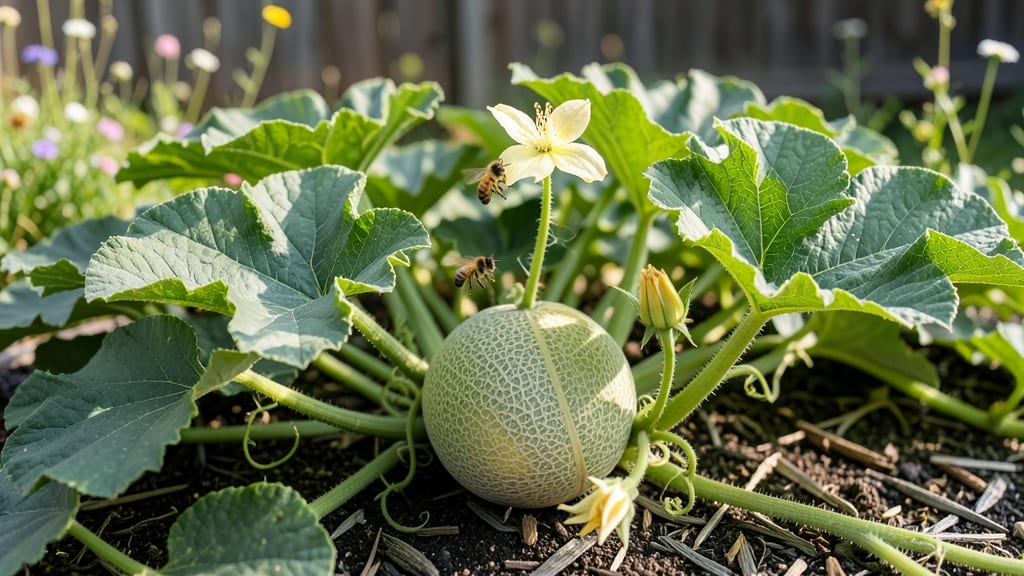
Turning a cantaloupe flower into fruit is all about the right pollination triggers—because one missed step can mean the difference between a bountiful harvest and empty vines.
Did you know that proper pollination can turn a single cantaloupe flower into a sweet, juicy fruit—and even double your harvest? Understanding the science and triggers behind this transformation is the secret to a thriving melon patch.
In this guide, I’ll break down how cantaloupes 🍈 go from flower to fruit, including the best times to hand-pollinate, ideal growing conditions, and common mistakes that sabotage your yield.
You’ll learn how temperature, humidity, and even wind play a role—and how to give your plants a helping hand when nature falls short.
By the end, you’ll know exactly what to watch for, when to intervene, and how to maximize every blossom’s potential. Ready to turn those flowers into a harvest-worthy feast?
How cantaloupe flowers develop into fruit: the pollination process explained
Every cantaloupe flower begins its journey as a tiny bud, but only those properly pollinated will develop into sweet, ripe fruit. The transformation from bloom to melon hinges on a precise biological process involving hormonal signals and environmental conditions.
Understanding this process helps gardeners maximize their harvest by creating ideal conditions for fruit set.
Cantaloupes are monoecious plants, meaning they produce separate male and female flowers on the same vine. The male flowers appear first and are easily identifiable by their long stems and lack of fruit potential.
Female flowers, however, have a small fruit swelling at their base—this is where the magic happens if pollination succeeds.
| Stage | Key Trigger | Optimal Conditions | Grower Action |
|---|---|---|---|
| Flower Bud Opening | Hormonal signal (auxin) | 65-85°F, 40-60% humidity | Provide consistent water |
| Male Flower Pollen Release | Pollen viability (3-5 hours) | Morning sunlight, dry conditions | Hand-pollinate if bees are scarce |
| Female Flower Pollination | Pollen tube growth (24 hours) | 70-80°F, 50-70% humidity | Remove excess flowers to focus energy |
| Fruit Swelling (5-7 days) | Gibberellins (growth hormones) | Warm soil (75°F+), consistent moisture | Apply balanced fertilizer (5-10-10) |
| Fruit Maturation (30-45 days) | Ethylene production | 70-85°F, 60-80% humidity | Monitor for pests/diseases |
Once pollen lands on a female flower's stigma, it triggers a cascade of biological events. Within hours, the pollen grain germinates and forms a tube that grows down the style toward the ovary.
This process is driven by auxin hormones, which signal the ovary to begin developing into fruit. Without successful pollination, the flower wilts and drops off within 24-48 hours.
The temperature range of 70-85°F (21-29°C) is critical for optimal pollination. Below 60°F (15°C), pollen viability drops sharply, and above 90°F (32°C), pollen tubes grow erratically. Humidity also plays a role—40-60% relative humidity supports both pollen transfer and tube growth, while extreme dryness causes pollen to dry out prematurely.
Cantaloupes can self-pollinate, but cross-pollination between plants often results in higher yields. Bees are the primary pollinators, but gardeners in areas with low bee activity can hand-pollinate using a small paintbrush.
Simply collect pollen from male flowers and gently transfer it to female flower stigmas on mature vines in the morning when humidity is lowest.
After pollination, the fruit swelling stage begins within 5-7 days. This is when gardeners may notice small melon-like bumps at the base of female flowers. During this phase, the plant redirects energy from leaf production to fruit development.
Providing balanced fertilization (5-10-10 NPK ratio) supports this transition without promoting excessive foliage growth that competes with fruit.
One common misconception is that removing all flowers will increase fruit size. In reality, thinning flowers to leave 2-3 per vine improves air circulation and ensures each remaining fruit gets adequate nutrients.
Overcrowded flowers lead to small, underdeveloped melons due to resource competition. I recommend thinning when fruits reach golf-ball size to maximize quality.
The final stage of fruit development involves ethylene gas production, which triggers ripening. As the melon matures, its rind changes from green to creamy yellow, and the tendril near the stem dries and detaches.
Monitoring these visual cues helps determine the perfect harvest time. Temperature fluctuations during this stage can cause uneven ripening or poor flavor development.
Gardeners in USDA Zone 6 should pay special attention to nighttime temperatures. Below 55°F (13°C) can stall fruit development entirely, while consistent warmth above 75°F (24°C) accelerates the process. Using row covers during cool evenings can create a microclimate that supports continuous fruit set throughout the growing season.
5 Proven pollination tricks to maximize cantaloupe fruit set
Cantaloupes are self-pollinating, but even the best varieties need a little help to transform those beautiful yellow flowers into plump, sweet fruit. Poor pollination often leads to small, misshapen melons—or worse, no fruit at all.
The good news? With these 5 simple tricks, you can dramatically improve fruit set and enjoy a bountiful harvest. Start by understanding your cantaloupe’s pollination window—typically morning hours when flowers are freshest.
First, identify male and female flowers. Male flowers have long stems and no fruit behind them, while female flowers sit on short stems with a tiny melon at their base. Female flowers are the ones you’ll focus on for pollination.
Once you spot them, use these tricks to ensure they get the attention they need to develop into fruit. The key is timing—pollinate within 24 hours of the flower opening for the best results.
- 🌸 Hand-Pollinate: Use a soft paintbrush or cotton swab to transfer pollen from male to female flowers on cloudy or windless days.
- 🐝 Attract Bees: Plant bee-friendly flowers like marigolds or borage nearby to boost natural pollination.
- ⏰ Pollinate Early: Do it between 8 AM and 10 AM when flowers are open and pollen is fresh.
- 💧 Water Wisely: Keep soil consistently moist but avoid overwatering, which can wash away pollen.
- 🌿 Companion Plant: Grow squash or cucumbers nearby—they share pollinators and improve fruit set.
One of the easiest ways to boost pollination is hand-pollination. On days when bees are less active (like early morning or after rain), grab a small paintbrush or cotton swab. Gently brush the male flower’s stamens to collect pollen, then transfer it to the female flower’s stigma.
This mimics how bees naturally pollinate, ensuring every female flower has a chance to develop into fruit. I’ve seen hand-pollination double my cantaloupe yield in just one season!
If you’re growing cantaloupes in a container or greenhouse, where bees might not visit as often, companion planting becomes even more critical. Pair your cantaloupes with bee-attracting plants like marigolds, sunflowers, or basil. These plants draw pollinators to your garden, increasing the chances of successful pollination.
Even a small pot of borage near your melons can make a big difference. Plus, it adds color and biodiversity to your garden!
Timing is everything when it comes to cantaloupe pollination. Female flowers are most receptive to pollination in the morning hours, ideally between 8 AM and 10 AM. This is when the stigma is sticky and ready to receive pollen. If you’re hand-pollinating, aim to do it during this window.
For natural pollination, avoid watering flowers in the morning, as damp stigmas can repel pollen. Instead, water at the base of the plant to keep the soil moist without disrupting pollination.
Finally, avoid over-fertilizing with nitrogen, as this can lead to excessive foliage at the expense of flowers and fruit. Instead, use a balanced fertilizer with higher phosphorus and potassium to encourage flowering.
A quick soil test can help you adjust your approach. With these tricks, you’ll not only maximize fruit set but also grow healthier, sweeter cantaloupes that are sure to impress.