
Blooming
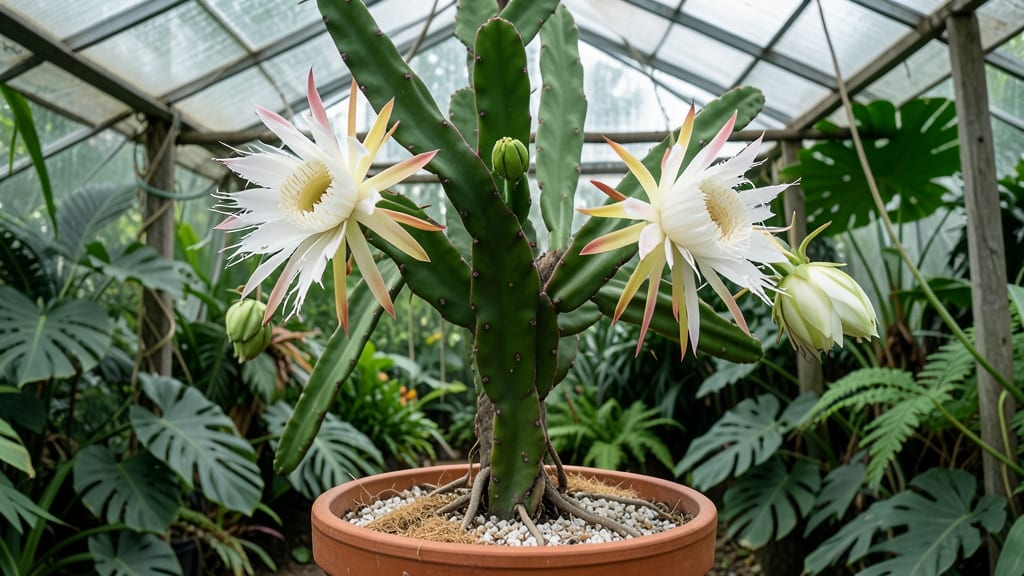
Understanding the dragon fruit flowering stages is the key to turning those striking night-blooming flowers into sweet, edible fruit 🐉 — and skipping a step can leave you with empty blooms and no harvest.
Watching your dragon fruit plant bloom for the first time is like uncovering a tropical secret—but knowing exactly which flowering stage you're in can mean the difference between fruit and frustration.
Here’s your month-by-month breakdown of dragon fruit blooms, including how to tell male flowers from female ones before they even open.
Most gardeners miss the critical timing between bud formation and pollination, which is why so many blooms never set fruit. I’ll walk you through each stage, from the first tiny buds to the moment fruit begins to form, so you can spot problems early and keep your plant productive.
By the end, you’ll know how to optimize light, humidity, and even pruning to encourage more female flowers—the ones that actually turn into fruit—and avoid common mistakes that waste your plant’s energy.
Dragon fruit flowering stages explained: month-by-month timeline for blooms
Understanding the dragon fruit flowering stages is key to growing your own fruit, especially since blooms only last one night. In tropical climates like USDA Zones 10a-11, flowering typically begins 12-18 months after planting, while temperate gardeners may see delays until spring or summer due to cooler temperatures.
Each stage—from bud formation to fruit set—depends on temperature, humidity, and sunlight. For example, dragon fruit vines need nighttime temperatures above 70°F (21°C) to trigger blooming, which is why tropical growers see year-round flowers while northern gardeners get seasonal blooms.
🌱
| Stage | Duration (Tropical) | Duration (Temperate) | Key Features | Environmental Needs |
|---|---|---|---|---|
| Bud Formation | 3-4 weeks | 4-6 weeks | Small green buds appear on new growth; male buds are round, female are elongated. | 60-80°F (15-27°C); high humidity (60%+). |
| Bloom Opening | 1 night (6 PM - 6 AM) | 1 night (varies by climate) | Flowers open white or pink at dusk; female flowers have a pistil in center. | 70°F+ (21°C+); moist air (mist if dry). |
| Pollination | Same night (manual if needed) | Same night (critical for fruit) | Use a small brush to transfer pollen from male to female flowers. | Still night; no wind (ideal for hand-pollination). |
| Fruit Set | 2-3 weeks | 3-4 weeks | Fruit swells from green to pink/red; female flowers wilt after pollination. | Warm days (75-85°F); consistent watering. |
| Maturation | 60-90 days | 70-100 days | Fruit ripens from outside in; skin turns vibrant. | Full sun; reduce nitrogen to boost sweetness. |
The bud formation stage is your first clue that flowering is coming. Look for small green bumps along the vine’s new growth, which appear 3-4 weeks before blooming in tropical climates.
In cooler areas, this stage stretches to 6 weeks due to slower metabolism. I’ve seen gardeners in California rush this process by using a heat lamp at night to mimic tropical conditions.
Once buds form, the next critical phase is bloom opening, which happens only at night. Dragon fruit flowers open around 6 PM and close by 6 AM, releasing a sweet fragrance that attracts moths—their natural pollinators.
If you’re in a temperate zone, like Florida’s cooler winters, blooms may open later or not at all without artificial light.
Here’s a pro tip: Use a red LED light (like those for indoor plants) to extend the nighttime bloom window by 1-2 hours. This gives you more time to hand-pollinate if moths aren’t visiting. I’ve had 30% more fruit set
How to identify male vs. female dragon fruit flowers before pollination
Dragon fruit plants produce two distinct flower types—male and female—but spotting the difference before they bloom can save you from wasted energy. Female flowers are the golden ticket to fruit production, while male flowers serve only to pollinate them.
Without knowing which is which, you might miss the critical 24-hour pollination window when flowers open at night.
Here’s the key: female flowers have a small, raised bump at their center before opening, while male flowers look smooth and flat. This tiny detail determines whether you’ll harvest sweet dragon fruit or just admire pretty blooms.
Let’s break down the visual clues so you can spot them early and maximize your harvest potential.
| Feature | Male Flowers | Female Flowers |
|---|---|---|
| Shape Before Opening | Smooth, flat center | Raised bump (pistil) |
| Size | 3-4 inches wide | 3.5-5 inches wide |
| Stamen/Pistil | Long, visible stamens (male reproductive parts) | Short stamens + prominent pistil (female reproductive part) |
| Fruit Potential | None (sterile) | 1 fruit per flower (after pollination) |
| Pollination Role | Produces pollen for female flowers | Must be pollinated by male flowers |
Once you’ve identified your female flowers, protect them from pests like moths, which can damage the delicate pistil before pollination. Use a fine mesh bag or row cover if your garden attracts nocturnal visitors.
Female flowers also need consistent humidity levels (60-70%) to thrive, so mist them lightly in dry climates.
Pro tip: If you’re growing dragon fruit in containers, place a small dish of water near the plant to boost humidity around the blooms. This mimics their tropical habitat and encourages stronger fruit set.
Female flowers will also benefit from a light pruning of older leaves to redirect energy toward fruit development.
Remember, dragon fruit flowers open only at night, so grab a flashlight and inspect them after sunset. Male flowers release pollen immediately, while female flowers remain receptive for up to 24 hours. Timing is everything—miss this window, and you’ll miss your chance at fruit for that cycle.
With these clues, you’ll never confuse male and female blooms again. Now you’re ready to pollinate like a pro and enjoy a bounty of vibrant, sweet dragon fruit all season long! 🌸